A fall home maintenance checklist for Colorado Springs comes down to six jobs done before the first hard freeze: blow out your sprinklers, clear the gutters, service the furnace, seal drafts, test for radon, and clear flammable debris around the house. The average first freeze here is October 1, so start now.
Colorado Springs gives us warm October afternoons and surprise freezes in the same week. That mix is hard on a house. A small job skipped now, like a clogged gutter or a hose left on a faucet, becomes a bigger bill in January.
Here's the checklist in the order I'd work through it, what you can handle yourself, and when to call a pro. It also covers two items generic checklists skip: radon and wildfire prep.
When is the first freeze in Colorado Springs?
The National Weather Service in Pueblo lists October 1 as the average first fall freeze for Colorado Springs. In 2024, the first freeze came October 16 and the first hard freeze came October 30. The latest first freeze on record is October 31, 1963.
A freeze is 32°F. A hard freeze is 28°F or colder, and that is the one that puts sprinkler systems at risk. Average first measurable snow in the Springs is October 26, so the window is shorter than it feels.
Your fall home maintenance checklist
Here is the quick-reference version.
Task | When | DIY or Pro |
|---|---|---|
Sprinkler blowout | First two weeks of October | Pro (needs a compressor) |
Disconnect and drain hoses | Before the first freeze | DIY |
Clean gutters and downspouts | After most leaves drop | DIY or pro |
Check the roof from the ground | Early fall | DIY look, pro for repairs |
Furnace service and new filter | Before the first cold snap | Pro service, DIY filter |
Chimney inspection | Before the first fire | Pro |
Seal windows, doors, garage | Before November | DIY |
Test smoke and CO alarms | Fall | DIY |
Radon test | Fall or winter | DIY kit or pro |
Clear needles and debris | Fall, then spring | DIY |
How do I winterize sprinklers and outdoor faucets?
A sprinkler blowout means a technician shuts off the water and uses compressed air to push it out of the pipes and heads. Water left inside freezes, expands, and cracks lines. A local irrigation owner told KKTV the target is the first two weeks of October, or before the first hard freeze.
Book early. In October 2023, that same owner said his crews were booked solid into early November, running 10 to 12 blowouts a day.
For hoses, the job takes five minutes. Disconnect every hose, drain it, and store it. A hose left attached traps water in the faucet, and even frost-free spigots can freeze and split behind the wall. You won't know until spring.
Why do gutters and drainage matter before winter?
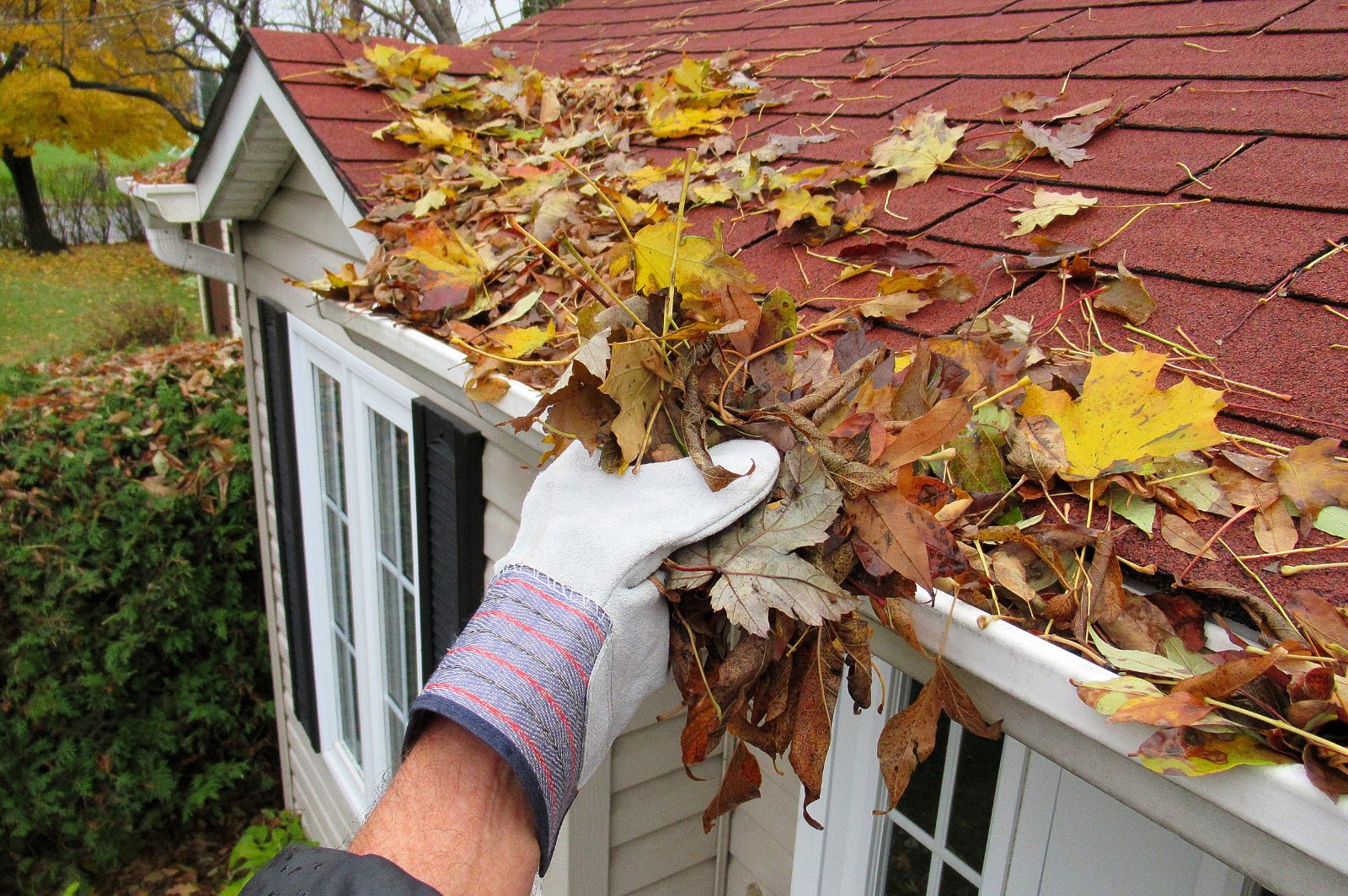
Clogged gutters hold water against the roofline, where it freezes and spills over onto siding and the foundation. Clear leaves and pine needles by hand or with a scoop, then run a hose through to check the flow.
Downspouts should send water several feet away from the house. Walk the perimeter and confirm the soil slopes away from the foundation, not toward it. Fix low spots with fill dirt now, before the ground freezes.
Then look at the roof from the ground. Lifted or missing shingles and loose flashing are worth a call to a licensed roofer. Skip the roof walk yourself. A ladder and wet leaves are a bad combination. If you suspect hail damage, read our breakdown of what home insurance covers for hail and wind in Colorado Springs before you file a claim.
What should I service before I turn the heat on?
Start with the furnace. Replace the filter, then schedule a pro tune-up before the first cold snap, when HVAC calendars fill. Keep vents and returns clear of furniture.
If you have a fireplace or wood stove, book a chimney inspection before the first fire. Clean the dryer vent too, since lint buildup is a fire risk.
Finally, test every smoke and carbon monoxide alarm and swap the batteries. Check the date printed on each unit, since alarms wear out and need replacing.
How do I seal drafts and cut heating costs?
Walk the house on a windy day and feel around windows, exterior doors, and the garage door. Replace cracked weatherstripping and re-caulk gaps around frames.
Next, check the attic hatch and any rim-joist areas you can see from the basement or crawl space. Gaps there leak warm air.
Small fixes like these cost little and keep the furnace from working harder than it needs to.
Should I test for radon this fall?
Yes. The Colorado Department of Public Health and Environment designates El Paso County as an area with high radon potential. Radon is an odorless gas that comes up from the soil and collects in homes. The recommended action limit is 4 picocuries per liter (pCi/L).
El Paso County Public Health reports that over 40% of homes tested between 2005 and 2021 had high radon levels. Winter is the best time to test because windows and doors stay closed.
Test kits are inexpensive, and CDPHE offers low-cost options. Look for a kit certified by the National Radon Proficiency Program. A certified contractor can install a reduction system that cuts levels by up to 99%. The El Paso County Public Health radon page lists where to buy a kit.
How do I prepare my home for wildfire season?
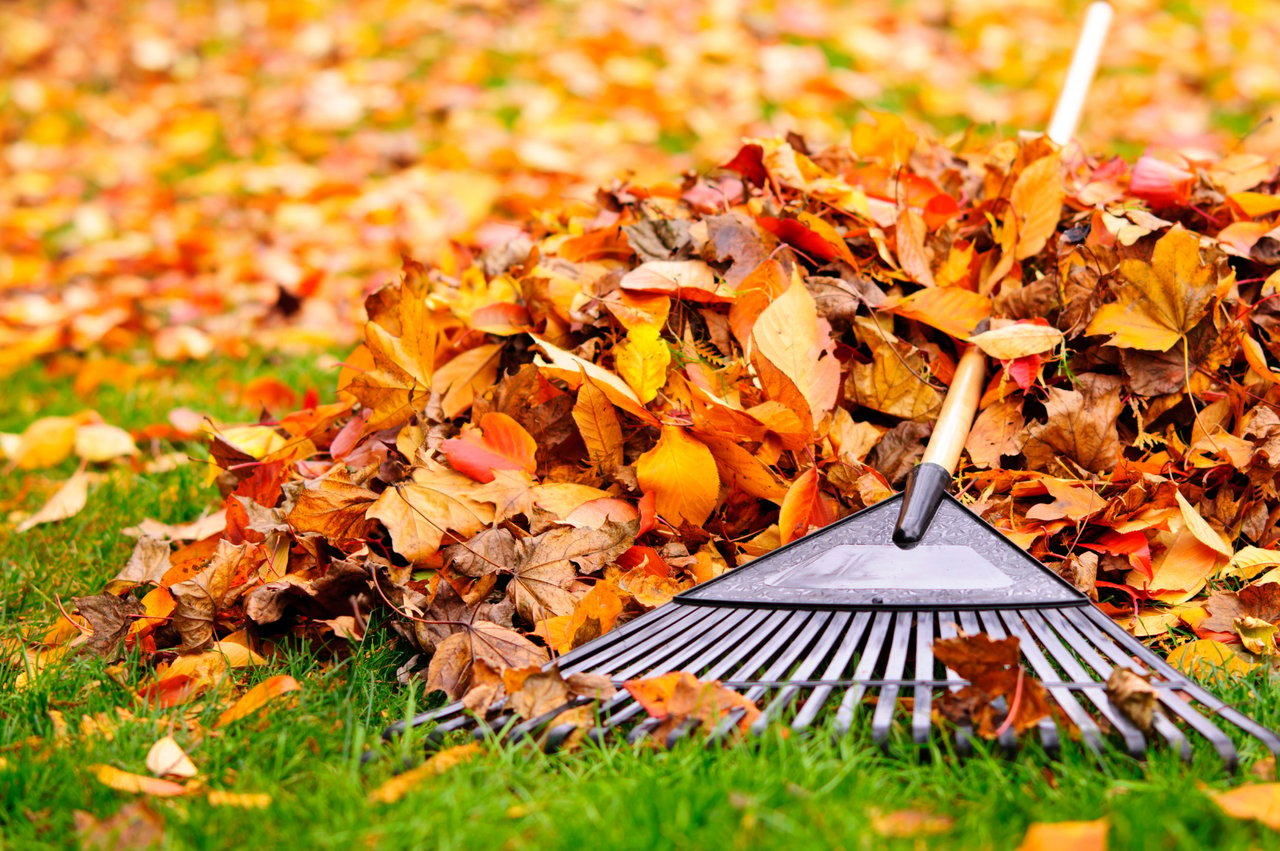
Fall is the right time to rake. The Colorado Springs Fire Department asks homeowners to keep at least 15 feet of clearance around the house and thin hazardous vegetation out to 30 feet. Keep the roof, gutters, and window wells free of leaves and needles too.
Embers are the main threat. In the 2012 Waldo Canyon fire, department investigators found that 54% of structure ignitions came from windblown embers. Embers land in gutters full of dry needles.
CSFD's Wildfire Mitigation Section offers free onsite consultations at (719) 385-7493, and its preparedness guide lists cost-share and chipping programs. The Colorado State Forest Service also publishes a home ignition zone guide.
What about trees, patio furniture, and snow gear?
A short outdoor list finishes the job:
Task | Details |
|---|---|
Trim dead branches | Remove any hanging over the roof or near power lines. |
Stack firewood | Keep it at least 15 feet from the house. Farther is better. |
Store outdoor furniture | Put it away and cover the grill. |
Check snow gear | Find the snow shovel and test the snow blower. |
Buy ice melt | Get it before the first storm sells it out. |
Does fall maintenance affect buying or selling?
Home inspectors and appraisers look at the same things on this list: roof, drainage, heating system, and safety equipment. Deferred maintenance shows up as repair requests and slower negotiations.
If you plan to sell in spring, finish this checklist now and keep the receipts. Buyers like paperwork. Then read how to price your Colorado Springs home using comps and market analysis.
If you're buying, ask the seller for furnace service records and the date of the last sprinkler blowout. New to town? Our newcomer's guide to Colorado Springs neighborhoods, schools, and taxes is a good place to start.
Using a VA loan? The VA requires the property to meet its minimum property requirements before it guarantees the loan, and an appraisal can be made subject to repairs. A leaking roof or failing heating system is the kind of item that can hold up closing.
Once the work is done, enjoy the season. Here are local fall color outings worth a Saturday.

Fall Home Maintenance FAQ
When should I schedule a sprinkler blowout in Colorado Springs?
Aim for the first two weeks of October, or before the first hard freeze of 28°F. The average first freeze is October 1. Companies fill up fast, so book by mid-September when possible.
How often should I clean gutters in Colorado Springs?
Plan on twice a year, spring and fall. Homes near pine trees may need a third pass, since needles pack into gutters quickly and become fuel for embers during dry months.
What radon level needs action?
The action level is 4 pCi/L. Above that, retest and call a certified mitigation contractor. Colorado's average indoor level is about 6.4 pCi/L, so a high reading here is common and fixable.
Do I need a furnace tune-up every year?
Annual service is standard practice. A technician checks combustion, the heat exchanger, and safety controls. Replace the filter on the schedule printed on its frame, usually every one to three months during heating season.
The Bottom Line
Fall maintenance in Colorado Springs is a short list with a hard deadline: the first hard freeze. Do the sprinkler blowout and hoses first, then gutters, furnace, drafts, radon, and the wildfire cleanup.
Most of it takes a weekend.
Questions about your home or the Colorado Springs market? Call or text Brandon at 719-413-6610 or email [email protected].
Want one useful Colorado Springs tip each week? Sign up for the weekly newsletter.