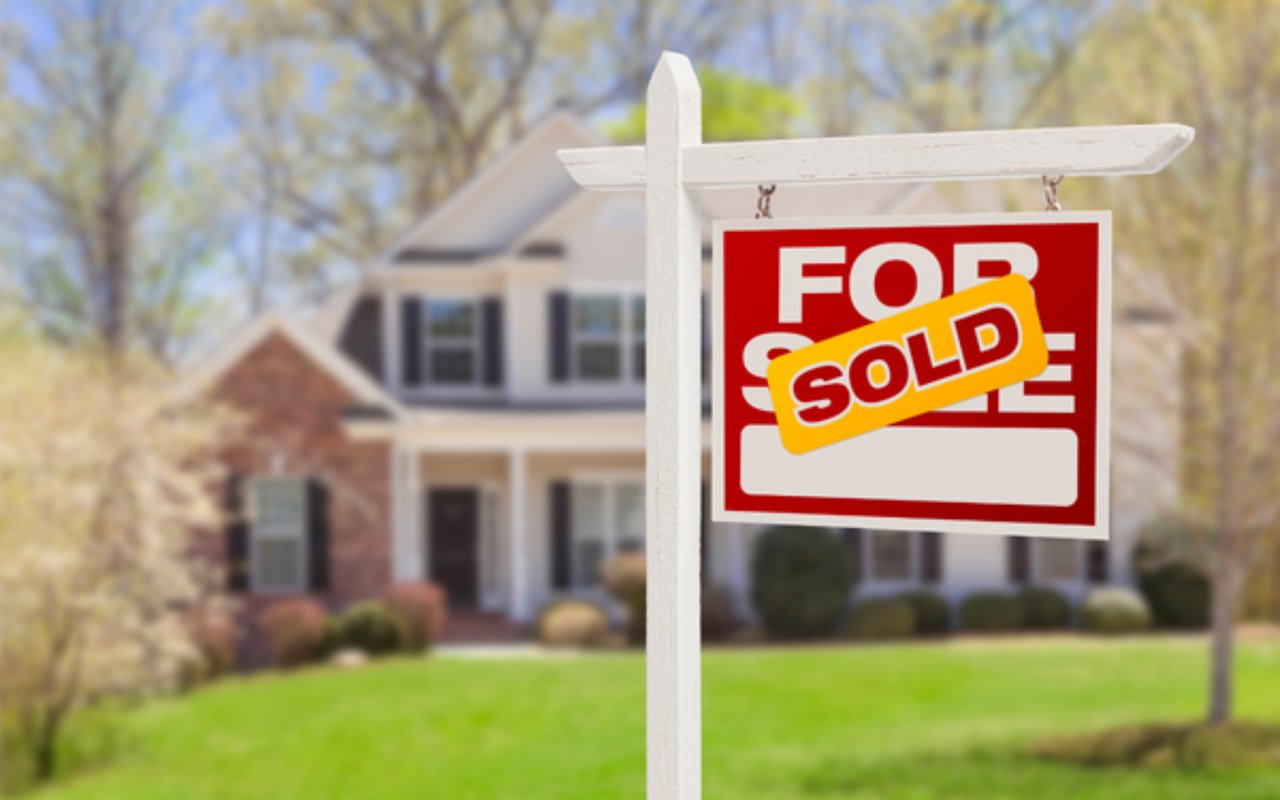

Selling a home is more than just putting a sign in the yard and waiting for offers to roll in. The truth is, the preparation that happens before a home hits the market often determines how quickly it sells and how much a home seller ultimately receives.
I’ve worked with many homeowners throughout Colorado Springs who were surprised at how a few simple changes dramatically improved their home’s appeal. Buyers often make decisions within seconds of walking into a property, so the goal is to make sure your home immediately feels welcoming, well cared for, and move-in ready.
Whether you're planning to list next week or just starting to think about selling, understanding how a home seller can prepare a home for sale will help you attract stronger offers and a smoother transaction.
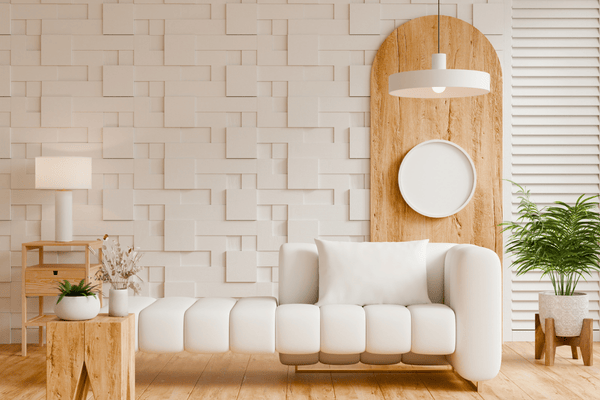
What Should a Home Seller Do Before Listing Their Home?
One of the most common questions I hear from homeowners is: “What should I actually do before listing my house?”
Preparation doesn’t need to be overwhelming. In fact, the most effective strategy usually comes down to focusing on a few key areas that influence buyer perception.
A smart home selling strategy typically includes:
1. Deep Cleaning The Entire Home
A professionally cleaned home instantly feels more valuable and well maintained.
Focus on areas buyers notice first:
- Floors and carpets
- Windows and window tracks
- Bathrooms and grout lines
- Kitchen appliances
- Baseboards and light fixtures
A spotless home tells buyers the property has been cared for.
2. Decluttering and Depersonalizing
Buyers need to imagine themselves living in the space.
This means removing:
- Excess furniture
- Personal photos
- Collections or décor that dominates a room
- Large items in closets
Think of it as preparing your home for a model-home feel rather than everyday living.
3. Completing Small Repairs
Minor issues can create doubt for buyers.
Common items to fix before listing include:
- Loose door handles
- Dripping faucets
- Burnt-out light bulbs
- Scuffed walls
- Squeaky doors
None of these are major problems, but together they affect how buyers perceive the home’s condition.
If you're unsure what repairs matter most, the National Association of REALTORS® (NAR) has helpful guidance on preparing homes for sale: National Association of REALTORS®
How Can a Home Seller Make Their Home More Attractive to Buyers?
Buyers often decide how they feel about a home within the first few minutes of walking in. That’s why presentation matters just as much as price.
Here are some proven ways a home seller can increase buyer appeal.
Improve Curb Appeal
The exterior is the first impression.
Simple improvements include:
- Fresh mulch in landscaping
- Trimming bushes and trees
- Power washing walkways
- Painting or cleaning the front door
- Adding seasonal flowers
These small upgrades can dramatically improve how buyers feel when they arrive.
Use Neutral Colors
If your home has bold paint colors, consider repainting with neutral tones.
Neutral walls help buyers imagine their own furniture and style.
Popular colors include:
- Soft whites
- Warm grays
- Light beige tones
Rearrange Furniture for Better Flow
Rooms should feel open and functional.
Try to:
- Remove oversized furniture
- Create clear walking paths
- Highlight natural light
- Make rooms feel larger
Sometimes simply removing one piece of furniture can completely change a room.
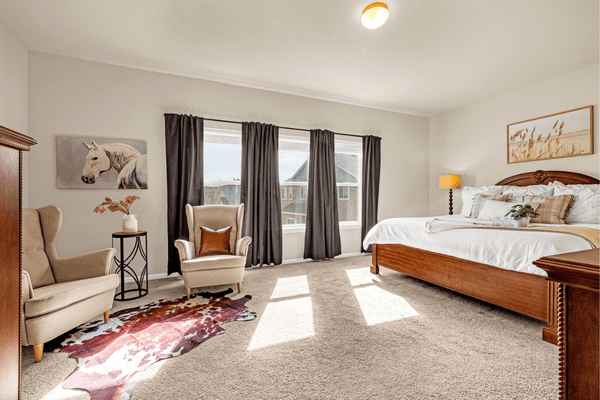
Should a Home Seller Stage Their Home?
Staging isn’t always required, but it can make a significant difference.
According to the National Association of Realtors staging report, staged homes often:
- Sell faster
- Receive stronger offers
- Photograph better online
You can review their staging insights here: Research and Statistics
Professional Vs. Light Staging
Not every home needs full staging. Often a light staging approach works well.
Examples include:
- Fresh bedding
- Decorative pillows
- Neutral artwork
- Simple kitchen accessories
- Plants or greenery
The goal is to create warmth and help buyers emotionally connect with the space.
Focus on Key Rooms
If staging the entire house isn’t practical, prioritize:
- Living room
- Kitchen
- Primary bedroom
These areas influence buyer perception the most.
What Improvements Should a Home Seller Avoid?
A common mistake homeowners make is spending money on upgrades that don’t provide a return on investment.
Before starting major projects, it’s important to consider whether buyers will actually value them.
The U.S. Department of Housing and Urban Development (HUD) offers helpful homeowner resources about property value and improvements: HUD Home | HUD.gov / U.S. Department of Housing and Urban Development (HUD)
Avoid Major Renovations Right before Selling
Large projects can delay your listing and rarely return 100% of their cost.
Examples include:
- Full kitchen remodels
- Expensive custom flooring
- Large structural additions
Instead, focus on improvements that provide quick visual impact.
Don’t Overpersonalize Updates
Highly customized design choices can limit buyer interest.
Examples:
- Bold wallpaper
- Themed rooms
- Extremely unique fixtures
Neutral and clean always wins when preparing a home for sale.
Why Professional Marketing Matters for a Home Seller
Preparation is only part of the equation. Once your home is ready, how it's presented online plays a huge role in attracting buyers.
Today’s buyers usually see a home online before ever visiting it.
That’s why strong marketing includes:
- Professional photography
- Video walkthroughs
- 3D virtual tours
- Floor plans
- targeted digital marketing
High-quality visuals ensure buyers notice your home immediately when browsing listings.
If you’re interested in learning more about local market trends and strategies, these resources may help:
- Understanding the Colorado Springs Housing Market
- Tips for First-Time Home Sellers
- How Pricing Impacts Days on Market
Final Thoughts for Every Home Seller
Preparing a home for sale doesn’t need to be complicated, but it does require thoughtful planning.
The most successful home sellers typically focus on three things:
- Presentation – Clean, decluttered, and welcoming spaces
- Smart improvements – Fix small issues and enhance curb appeal
- Strong marketing – Professional photography and effective exposure
When these elements come together, homes tend to attract stronger buyer interest, better offers, and smoother closings.
If you’re considering selling your home and want guidance on preparing it for the market, I’m always happy to help.
- 📞 Phone: (719) 413-6610
- 📧 Email: [email protected]
My goal is always to provide clear information so you can make confident decisions about your home and your future.