If you're asking whether Colorado Springs is a good place to live in 2026, you're probably doing what most of my clients do before they move here — Googling, scrolling Reddit threads, reading relocation guides that all sound the same, and trying to figure out what's actually true.
I've lived here for years. I'm a former Army Ranger, I work with military families on PCS moves almost every week, and I sell homes across the Front Range from Denver down to Pueblo. I'm going to give you the honest version — what's genuinely good about Colorado Springs in 2026, what the tradeoffs are, and what the numbers look like right now. No hype.
Short answer: for most people, yes — Colorado Springs is still a strong place to live in 2026, especially if you're military, an outdoor person, or coming from a higher-cost coastal market. But the city has changed, and there are real downsides worth knowing before you buy.

Let's walk through it.
What The Colorado Springs Housing Market Looks Like in 2026
This is the part that's shifted the most. Here's where we are as of spring 2026, based on Pikes Peak Association of REALTORS® data:
- Median single-family home price: around $475,000, up roughly 2% from February and close to the first-quarter average
- Inventory: 3,057 active homes — about 16% more than last year
- Average days on market: about 56 days in December 2025, up from 46 a year earlier
- Market posture: balanced, leaning buyer-friendly
For about four years, this market moved almost entirely in the seller's favor. That's no longer true. Active inventory has climbed while prices have stayed mostly flat, which means buyers have room to negotiate on price, closing costs, rate buydowns, and repairs in a way they simply didn't in 2021 or 2022.
If you're selling, the game has changed too. Homes priced correctly from the start still move. Overpriced homes sit and keep cutting prices — and every reduction signals weakness to buyers.
For anyone running the numbers on a mortgage, Freddie Mac's weekly Primary Mortgage Market Survey is the cleanest source for current 30-year rate data.
If you want to go deeper on what this means for you specifically, I put together a detailed piece on how to buy a home in Colorado Springs as a first-time buyer that walks through the full process.
Cost of Living: is Colorado Springs Affordable in 2026?
Close to the national average. Not cheap, not expensive.
Depending on which index you trust, Colorado Springs runs somewhere between 0.7% above the US average (BEA Regional Price Parities, index 100.7) and 2.1% above the national average based on C2ER data. Either way, it's a normal mid-size American city in terms of day-to-day expenses.
Where it breaks down:
- Housing: the one category that's meaningfully above average. Housing index sits at about 116 against a 100 national baseline — roughly 16% above the US average.
- Utilities: consistently below the national average. Colorado Springs utilities run about 23% less than the US average, partly because the city owns its own utility (Colorado Springs Utilities).
- Groceries and food: roughly in line with the national average.
- Healthcare: about 4% below the US average.
- Gas and transportation: slightly below average.
To live comfortably as a single adult, most sources put the number at $50,000 to $55,000 a year, with the local median salary around $58,915. A family of four typically needs $75K–$110K, depending on housing choice.
Compared to Denver, the Bay Area, or Front Range resort towns, Colorado Springs is a relative bargain. Compared to the Midwest or the South, it's not.

The Good: Why People Keep Moving to Colorado Springs
1. The Outdoors Are Genuinely World-class
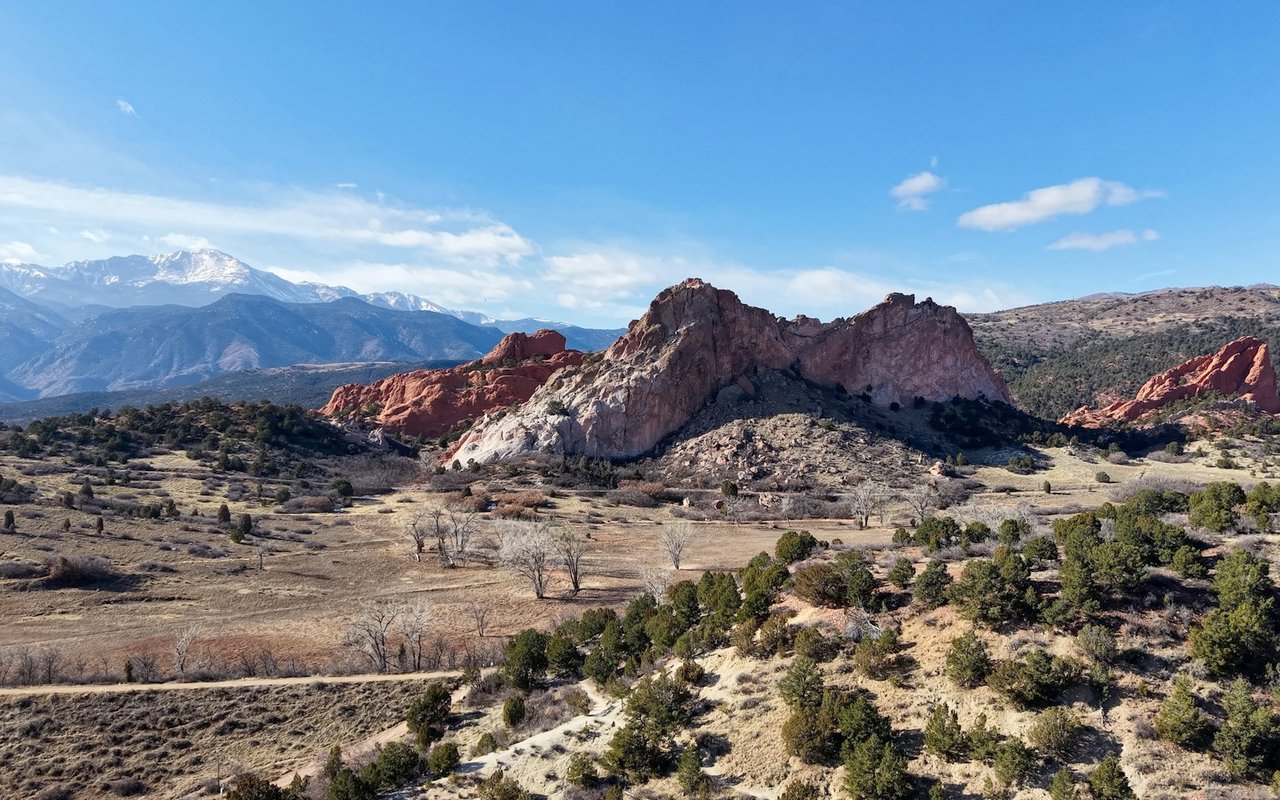
This is the part the brochures don't oversell. You have Pikes Peak, Garden of the Gods, the Air Force Academy trails, Cheyenne Mountain, Palmer Park, and the entire Front Range within 20–40 minutes of almost any neighborhood in town. Hiking, biking, skiing (about two hours to the closest resorts), fly fishing, climbing — it's all here.
If you work remotely and value time outside more than time on the freeway, this city delivers on that better than most places in the country.
2. The Military Presence Stabilizes the Economy
Fort Carson, Peterson Space Force Base, Schriever Space Force Base, the Air Force Academy, and Cheyenne Mountain Space Force Station all sit within the metro. That footprint supports tens of thousands of jobs, a huge defense contractor ecosystem (Lockheed Martin, L3Harris, Boeing), and a steady flow of PCS buyers and sellers every summer.
3. 300 Days of Sunshine (and It's Not Marketing)
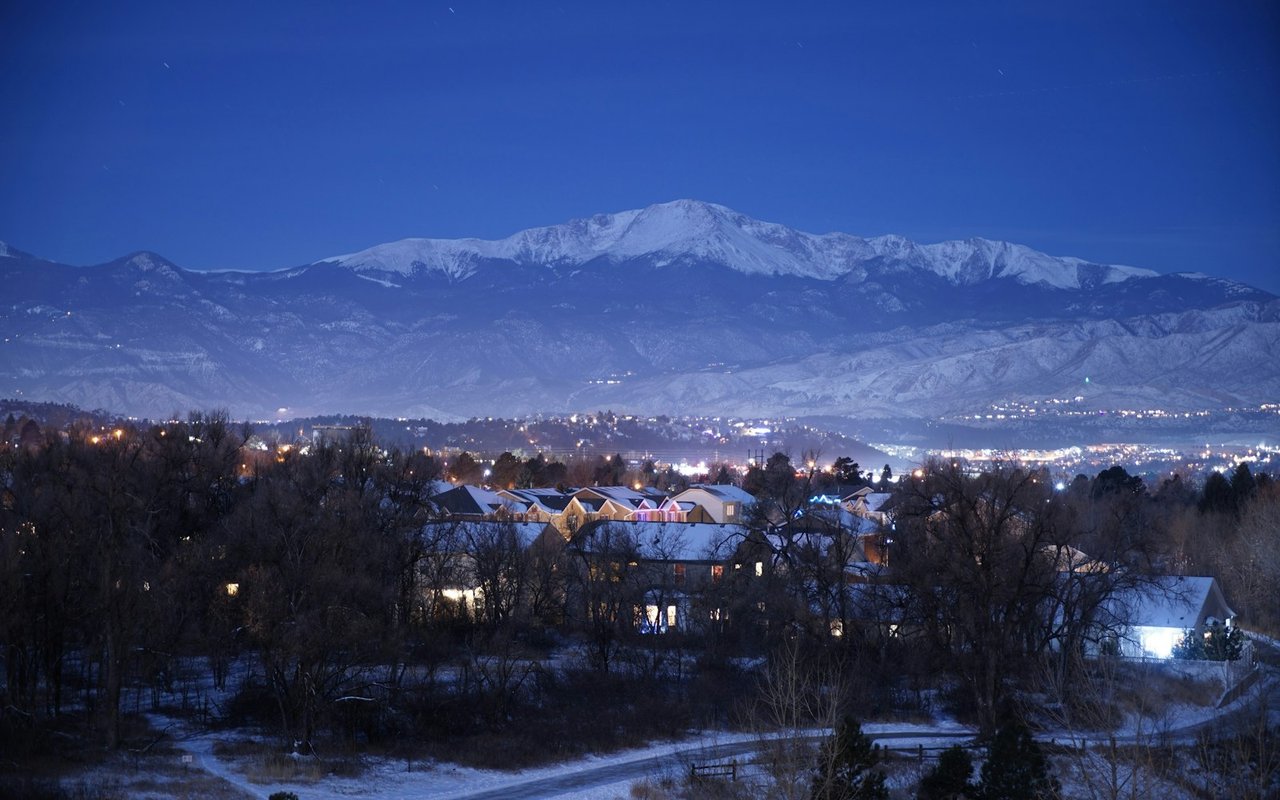
This one's real. Colorado Springs genuinely averages around 300 sunny days a year. Even in winter, most snowstorms melt off within 48 hours because the sun hits hard at 6,000+ feet of elevation. The climate is dry, four-season, and — for most people — a clear upgrade over the Midwest gray or Pacific Northwest rain.
4. Strong School Options if You Pick the Right District
Districts 20, 38 (Lewis-Palmer / Monument), and 49 in the north end tend to score well. The south side has more variation. This is a city where your specific neighborhood matters more than the city average — the National Association of REALTORS® research on buyer priorities consistently shows school quality as a top driver, and that plays out locally too.
5. Taxes are Reasonable
Colorado has a flat state income tax of around 4.4%. Property taxes in El Paso County run about 0.79% of assessed value — roughly $5,565 per year on a $410,000 median home. That's well below the national average.
The Tradeoffs: What's Harder About Living in Colorado Springs
I'm not going to pretend this is a perfect city. A few things to know before you commit.
1. Traffic on I-25 Has Gotten Worse
Population growth has outpaced road capacity. North-south traffic on I-25, especially the stretch between Monument and downtown during rush hour, can push commutes past what most people expect. If you work downtown and live in the north end, plan for it or work hybrid.
2. Wildfire Risk is Real
About 90% of properties in Colorado Springs have some level of wildfire risk over the next 30 years. That affects insurance premiums, especially in the foothill neighborhoods. Insurance rates have climbed meaningfully in Colorado over the last three years — factor that into any affordability calculation before you buy in a higher-risk zone.
3. Home Prices Aren't Dropping Dramatically
If you're waiting for prices to crash — most experts don't see it. Median sale prices have held in a narrow band in the mid-$400,000s, fluctuating roughly 5–6 percent month to month. The market is cooler and more balanced, but not cheap. What's actually shifted is leverage — buyers have negotiating room again.
4. It's Not a Big City
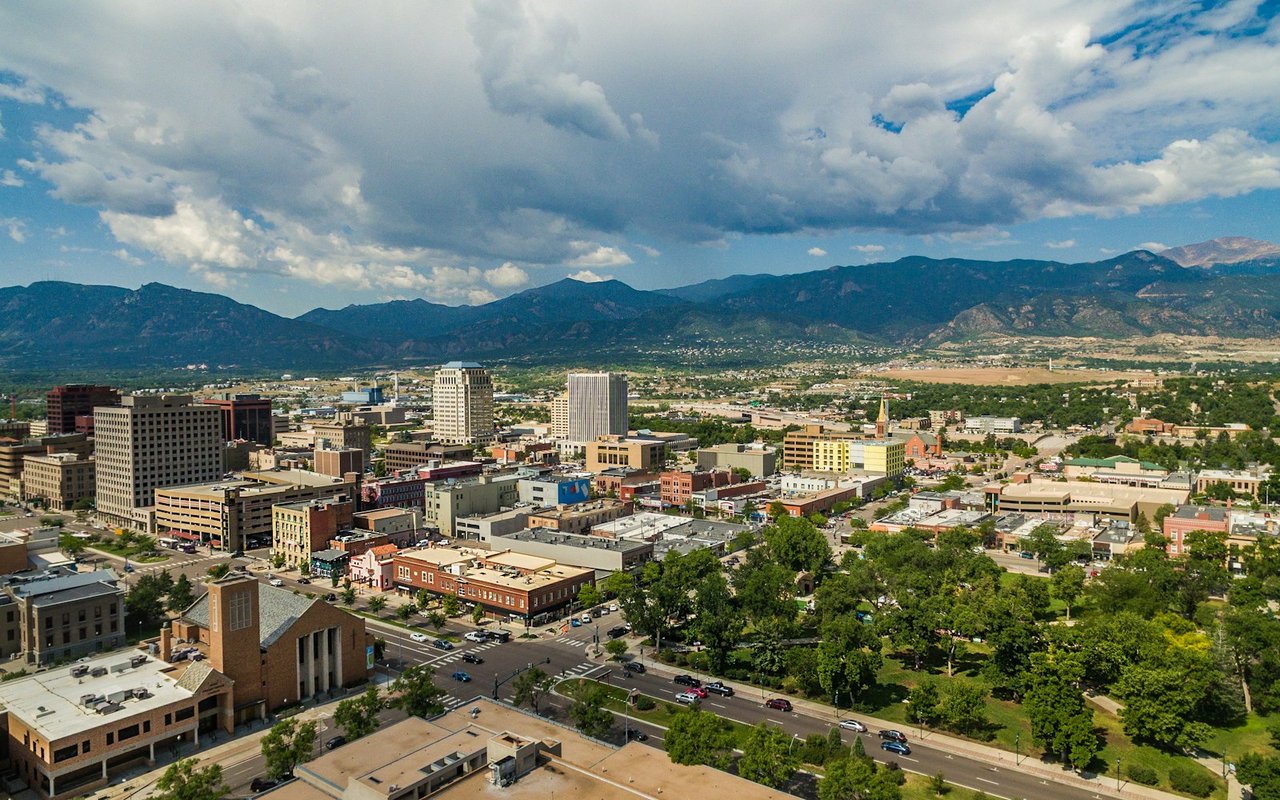
If you want nightlife, professional sports, major concerts, or broad career options across industries, Denver is 60–90 minutes north. Colorado Springs is more of a midsize city with a strong outdoor and military identity, not a metropolitan hub.
5. Elevation Takes Adjustment
Most of Colorado Springs sits between 6,000 and 7,000 feet. Plan on a couple of weeks of feeling winded, drinking more water than usual, and easing into workouts. If you have respiratory or cardiac issues, talk to a doctor before relocating.
Who Colorado Springs is a Good Fit for in 2026
In my experience, this market fits:
- Military families (active duty, veterans, spouses) — the infrastructure is built for you
- First-time buyers priced out of Denver or coastal markets
- Remote workers who want mountains and sunshine without paying Boulder or Aspen prices
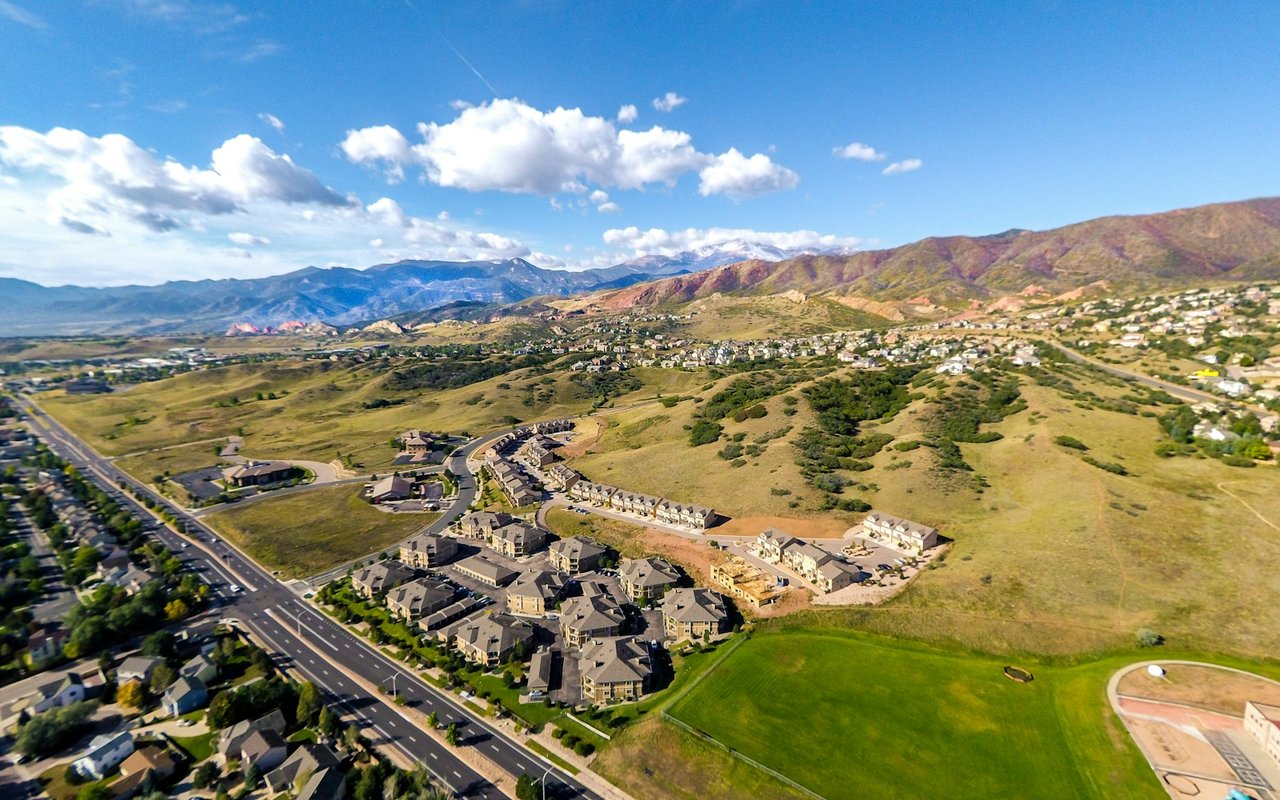
- Families who want good schools, safer suburbs, and space
- Retirees who want four seasons without harsh winters
It's a weaker fit for someone who needs a dense urban core, wants career options across many industries, or expects warm weather year-round.
Bottom Line
Colorado Springs in 2026 is a balanced, slower-moving, buyer-friendlier version of the market we had three years ago. The outdoors, the military ecosystem, the climate, and the cost structure still hold up. The tradeoffs — wildfire insurance, traffic, and the fact that prices aren't crashing — are worth walking in with your eyes open.
Key Takeaways:
- Median home price sits around $475K; inventory is up; buyers have real leverage again
- Cost of living is about 1–2% above the national average, with housing as the main driver
- Military, outdoor lifestyle, sunshine, and lower property taxes are the biggest pros
- Wildfire insurance, I-25 traffic, and elevation are the real tradeoffs
- This is a market that rewards preparation — picking the right neighborhood matters more than picking the right month

Have Questions? Let's Talk
If you're thinking about moving to Colorado Springs — or you're already here and want to understand what your next step looks like — reach out. Happy to answer questions, run numbers on a specific neighborhood, or walk you through the VA loan process if that applies.
Brandon Lecocq — REALTOR®, The Ridgeline Group Brokered by Epique Realty
- Phone: (719) 413-6610
- Email: [email protected]
- Schedule a call.
If you'd rather just stay in the loop on the local market, the weekly newsletter covers what's actually happening here — market shifts, new listings, and things worth knowing before you buy or sell.