The VA loan is one of the most misunderstood financing tools in real estate. Most of what's written about it online is outdated, and a lot of the "common knowledge" in the industry is running on information from 20 years ago.
After serving in the Army and now working with military families in Colorado Springs, I want to lay out what the VA loan actually is in 2026 — what changed this year, what it offers, where it works well, and where it has real friction. No spin. Just the current state of the program.
What Changed in 2026
Several meaningful updates landed this year. Here's what's true right now.
Conforming loan limit rose to $832,750. Per the FHFA's 2026 conforming loan limit announcement, the baseline conforming loan limit rose to $832,750, up from $806,500 in 2025. Veterans with full entitlement remain exempt from loan caps — borrowing capacity is set by lender underwriting and appraisal. The conforming limit only matters if you're using partial entitlement.
The funding fee became tax-deductible. According to the Department of Veterans Affairs, starting in 2026 the VA funding fee is now tax-deductible. Like mortgage interest, it can be deducted by itemizing on Schedule A (Form 1040) and reporting the amount paid as an upfront mortgage insurance premium.
The deduction only helps if you itemize, so it's worth a quick conversation with a tax preparer before counting on it. Veterans with a service-connected disability rating of 10% or higher are exempt from the fee entirely — more on funding fee exemptions from Veterans United.
The appraisal got easier. Effective May 1, 2026, the VA updated the appraisal fee schedule and removed five Minimum Property Requirements from the Lender's Handbook. The five removed items:
- Detached sheds and outbuildings no longer need to meet MPR standards
- Exterior paint defects on post-1978 homes no longer require repair
- Radon certification for new construction is gone
- Oxygen depletion sensor certification for non-vented heaters is gone
- Specific insulation thickness requirements are gone
This is a real change. Older homes on the west side, mountain properties with outbuildings, anything older or unconventional — the appraisal process just removed five common flag points. Most agents in Colorado Springs haven't caught up to this yet.
BAH went up. The 2026 BAH rate for an E-5 with dependents in Colorado Springs (MHA CO046) is $2,358 per month. Fort Carson BAH rates increased 2.1% from 2025.
A new foreclosure relief program was launched. Per coverage of the 2026 VA Home Loan Reform Act, the law introduced a permanent partial claim program, allowing the VA to advance funds to cure missed payments and secure the amount as a subordinate lien. Repayment occurs upon sale or refinance, offering a structured alternative to foreclosure. This replaces prior temporary loss mitigation tools.

What the VA Loan Actually Offers
Stripped of the marketing language, here's what the program does:
- Zero down payment with full entitlement. That's the headline benefit, and it's a real one.
- No private mortgage insurance. Conventional borrowers under 20% down pay PMI every month. VA loans don't have it.
- Lower rates than conventional, historically. The federal guarantee reduces lender risk, which translates to lower rates.
- A funding fee that's now tax-deductible — or waived entirely if disability-rated at 10% or higher.
- The lowest denial rate of any major loan type. CFPB HMDA data consistently shows VA loans outperforming both FHA and conventional mortgages on denial rates, a pattern that has held across multiple reporting years. The program's residual income requirement — which tests actual monthly cash flow after major expenses rather than relying solely on debt-to-income ratios — is widely credited for the VA loan's strong long-term performance.
This is a financing program built to perform. The data backs it up.
Where The VA Loan Has Real Friction
There are situations where VA financing is genuinely harder, and they're worth knowing.
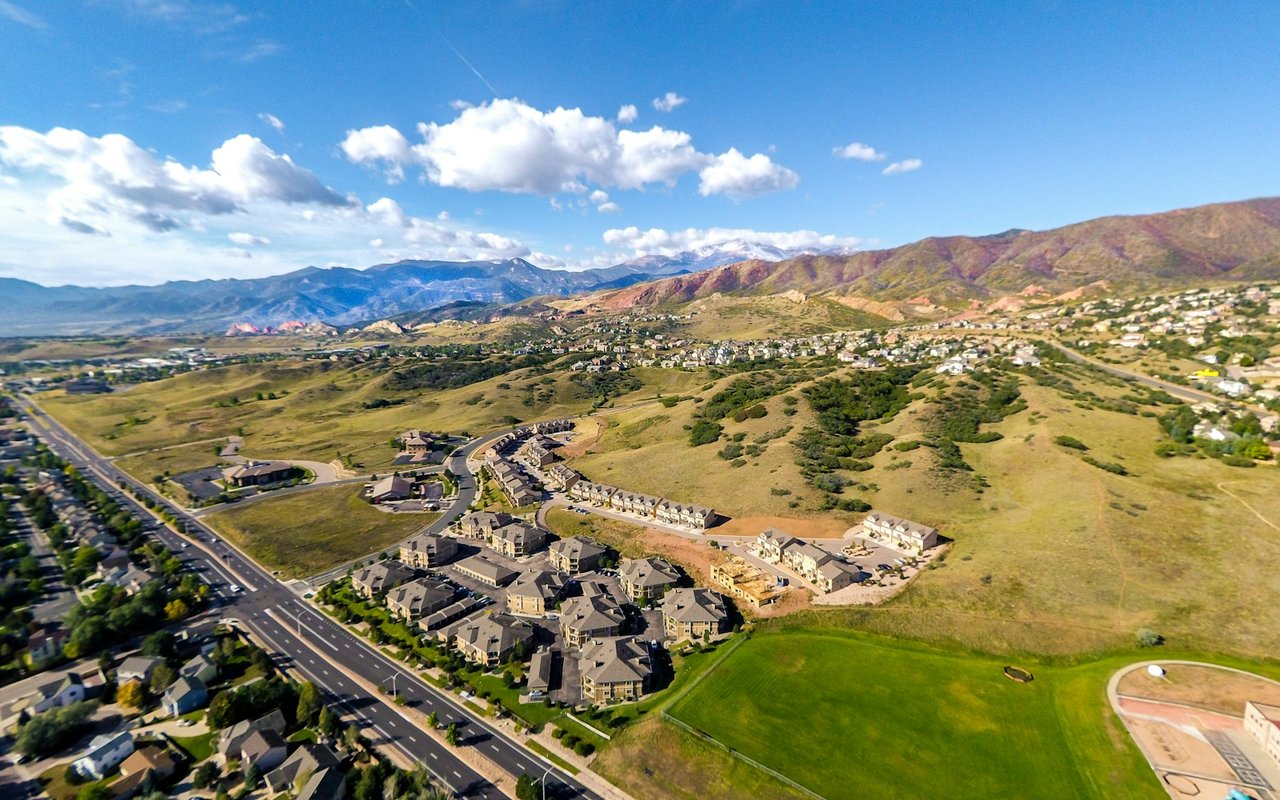
- Mountain and rural properties. Stucco cracking from altitude. Roof wear from weather and hail. Wells, septic systems, and access easements. These get flagged on any appraisal — VA, conventional, or FHA. The difference is that VA appraisers tend to document them more thoroughly. Western El Paso County, Cheyenne Mountain, and the rural areas north toward Black Forest are where this comes up most.
- Properties that fail Minimum Property Requirements. In 2026, VA Minimum Property Requirements still come down to three tests: safe, sanitary, and structurally sound. If a home fails one of those tests, the issue has to be repaired before the loan can close. That's a feature of the program, not a flaw, but it shapes which properties are realistic targets.
- Wildfire-zone properties. Insurance is the bigger problem here, not the VA loan itself. But it's a real consideration in Colorado Springs.
These aren't reasons to avoid the VA loan. There are reasons to know your property type before committing.
How The Program is Performing
A few data points worth knowing, all from Veterans United's analysis of VA Lender Statistics:
- In FY2025, the VA guaranteed 528,343 loans — a 26.8% jump from the prior year
- Purchase loans rose 8.5%, cash-out refinances climbed 26.5%, and IRRRLs surged 135% year over year
- On August 5, 2025, the program reached a historic milestone: the 29 millionth home loan guaranteed since the GI Bill was created in 1944
- VA delinquency rates decreased 10 basis points year over year while conventional and FHA rates climbed
The VA loan isn't a niche product. It's one of the most actively used and best-performing mortgage programs in the country.
What This Means for Colorado Springs
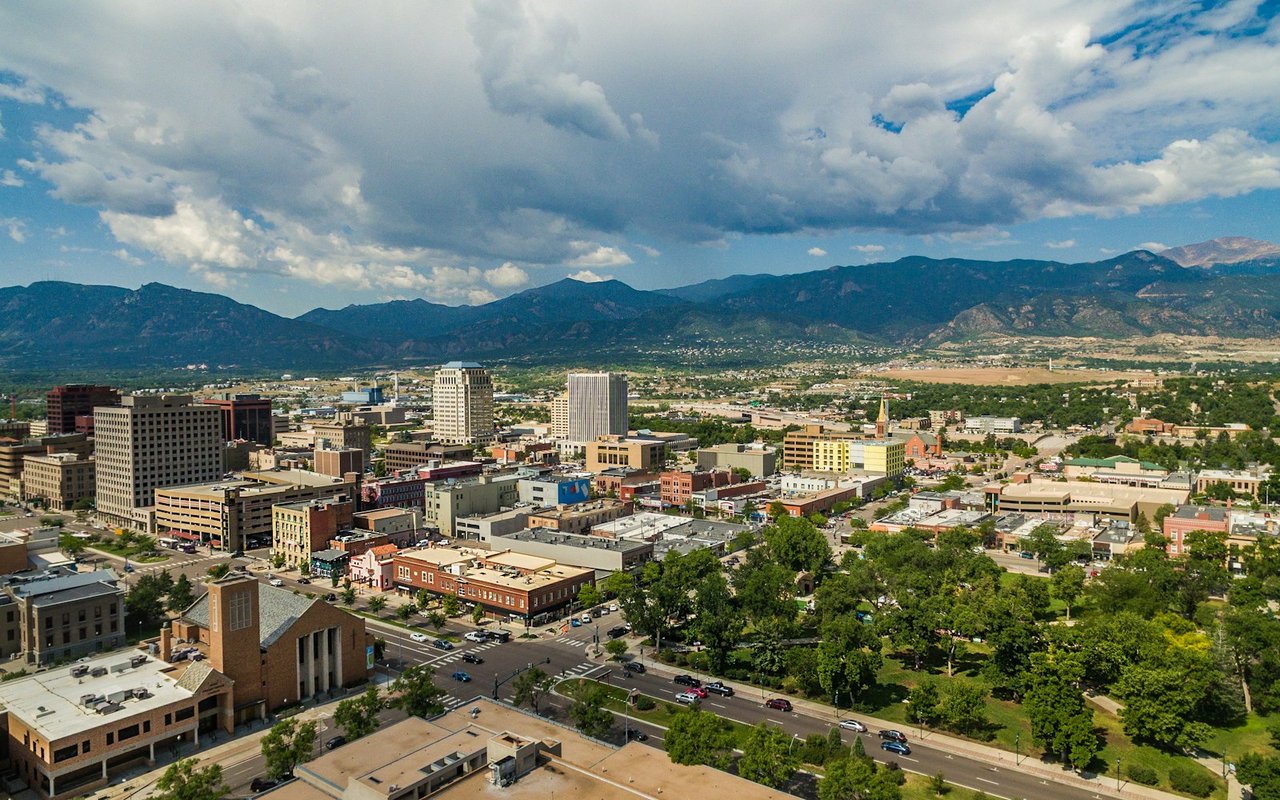
Roughly 1 in 4 transactions in this market involves a military buyer or seller. With active-duty populations at Fort Carson, Peterson Space Force Base, Schriever, and the Air Force Academy — plus a large veteran community that stayed after retirement — the VA loan is a foundational piece of how this market moves.
The 2026 changes make the program meaningfully stronger than it was even a year ago. Higher loan limits. Tax-deductible funding fee. Easier appraisal process. A new foreclosure relief structure built into law.
If you're an agent working in this market, knowing the current state of the program is the difference between guiding a client well and falling back on outdated assumptions. If you're a buyer or seller, knowing what the program actually does helps you make a clear-eyed decision instead of relying on rumor.
Bottom Line
The VA loan in 2026 is a serious, well-built financing tool. It has measurable advantages — zero down with full entitlement, no PMI, lower rates, a now-deductible funding fee, the lowest denial rate of any major loan type. It also has real friction points around property condition, especially on rural and mountain properties.
Both things can be true. The program is strong, and the program has limits. The work is matching the right buyer to the right property with the right plan.
Let's Talk
If you have questions about VA loans, military relocation, or how to navigate the Colorado Springs market as a military buyer, I'm here to help.
- Call: (719) 413-6610
- Email: [email protected]
And if you want to stay in the loop on military real estate strategy, news, and market intel, sign up for The Ridgeline Rundown—our weekly email for military families buying and selling in Colorado Springs.