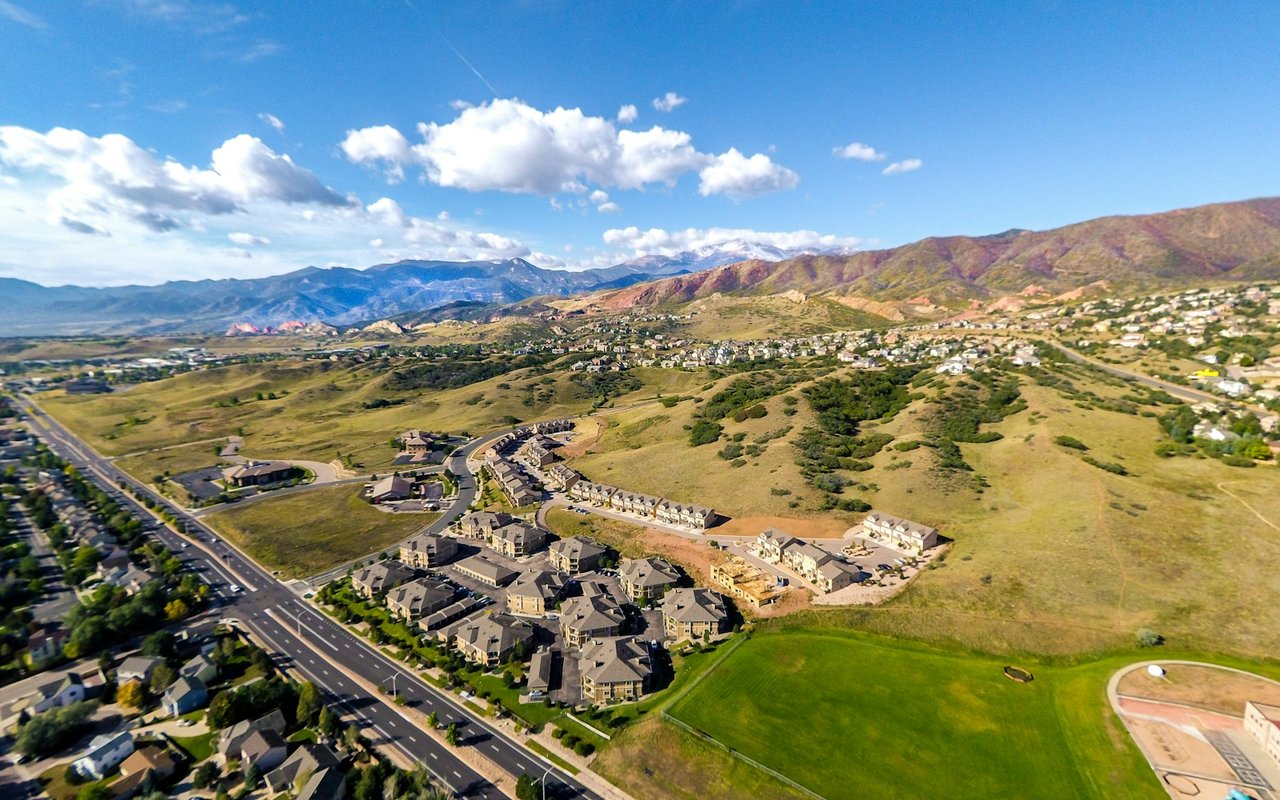
If you've earned a VA loan, you've earned one of the best financing tools in the country — and most people never use it to its full potential. I work with Fort Carson, Peterson, Schriever, and Academy families every week, and the same thing happens over and over: someone assumes the VA loan is complicated or "not worth the hassle," so they reach for a conventional loan instead.
That's usually a mistake. This guide walks you through how a VA loan actually works, what it costs, and how to use it without the surprises that trip people up mid-PCS.
Let's get into it.

What is a VA Loan and Who Qualifies?
A VA loan is a mortgage backed by the Department of Veterans Affairs. The VA doesn't lend you the money — a regular lender does — but the VA guarantees part of the loan. That guarantee is why lenders can offer terms most conventional loans can't match.
VA loan eligibility generally covers:
- Active-duty service members (after a qualifying period of service)
- Veterans with an eligible discharge
- National Guard and Reserve members who meet service requirements
- Surviving spouses of service members who died in the line of duty or from a service-connected condition
The document that proves you qualify is your Certificate of Eligibility, or COE. Your lender can usually pull it in minutes, or you can request it directly through the VA's home loan eligibility page. Get this early. It's the first domino, and it's the one people forget until they're already under contract.
One thing I tell every client: your COE shows your entitlement — how much you've used and how much is available — and your lender reads it to determine whether you have full or partial entitlement. That single detail changes your buying power more than almost anything else, and we'll come back to it.
The Real VA Loan Benefits (Beyond Zero Down)
Everyone knows the headline — a VA loan lets eligible buyers purchase with zero down payment. That's real, and it's huge. But the down payment is only one of the VA loan benefits worth understanding.
Here's the full picture:
- No monthly mortgage insurance. Conventional loans charge PMI when you put less than 20% down. FHA loans charge a monthly premium too. The VA loan charges neither — which can make it the cheapest option over time, even with the upfront fee.
- Competitive interest rates. Because the loan is government-backed, VA rates often come in at or below conventional rates.
- Limits on what lenders can charge you. The VA caps the lender's origination charge and bars certain fees entirely, which helps keep your closing costs leaner.
- No prepayment penalty. Pay it down early without getting punished for it.
- It's reusable. This isn't a one-time benefit. You can use it again, and in some cases hold more than one VA loan at once — as long as you have enough remaining entitlement and meet the occupancy rules. This comes up a lot for PCS families keeping a home at the old duty station.
The U.S. Department of Veterans Affairs lays out the program details on its official VA home loans page if you want to go straight to the source. And if you're buying a home that needs work, my post on how rehab loans help Colorado Springs buyers covers another financing angle worth knowing.
How the VA Funding Fee Works
Nothing is truly free, and the VA loan's trade-off is the VA funding fee. This is a one-time charge that goes to the VA — not your lender — and it's what keeps the program running without monthly mortgage insurance.
For 2026, the funding fee on a purchase loan generally looks like this:
- First-time use, no down payment: 2.15% of the loan amount
- Subsequent use, no down payment: 3.3% of the loan amount
- 5% to 9.99% down: drops to 1.5% (first or repeat use)
- 10% or more down: drops to 1.25%
So on a $400,000 first-time purchase with nothing down, the fee is about $8,600. You can either pay it at closing or roll it into the loan so it doesn't come out of pocket.
Two things worth knowing:
First, if you're receiving VA disability compensation at the time of closing — at any rating, even 10% — you're typically exempt from the funding fee entirely. Veterans who are entitled to compensation but receiving retirement or active-duty pay instead can qualify too. That can save you thousands. One caveat: a pending claim that hasn't been rated yet doesn't automatically exempt you, so confirm your status on your COE before closing rather than assuming. It's easy money left on the table if it's missed.
Second, putting 5% down is one of the highest-return moves a repeat buyer can make. It resets your fee from 3.3% down to 1.5%. If you've got the cash, it often pays for itself. You can verify current numbers anytime on the VA funding fee page.
VA Loan Limits and Entitlement in 2026
This is the part that confuses the most people, including some loan officers, so let me make it simple.
If you have full entitlement — meaning you've never used your VA loan, or you used it, sold the home, and paid it off — there is no VA loan limit. The VA does not cap how much you can borrow with zero down. Your real ceiling is set by your income, your credit, and what the home appraises for. That's it.
This changed back in 2020 and it's still the single most misunderstood fact about VA loans. People hear "loan limit" and assume there's a price ceiling on their benefit. With full entitlement, there isn't.
County loan limits only matter if you have partial entitlement — usually because you currently have another active VA loan or had one foreclose without restoring it. In that case, the 2026 baseline conforming limit of $832,750 in most counties (higher in high-cost areas) determines how much you can buy with zero down before a down payment kicks in.
How much you can actually get preapproved for usually comes down to your income — and for military buyers, that means your BAH. My rank-by-rank breakdown of 2026 Colorado Springs BAH shows how much house each pay grade can buy near Fort Carson. And if you're carrying a VA loan on a home you're keeping during a PCS, the math gets more involved — that's exactly the kind of thing worth a quick conversation before you write an offer.
The VA Appraisal and What to Expect at Closing
Every VA loan requires a VA appraisal. This serves two purposes: it confirms the home is worth what you're paying, and it checks that the property meets the VA's Minimum Property Requirements — basically that the home is safe, sound, and sanitary.
This is a feature, not a bug. The VA appraisal protects you from buying a home with serious hidden problems. But it does mean a few things in a competitive market:
- The home needs to be in livable condition. Major issues — exposed wiring, a failing roof, no working heat — can hold up the loan until they're fixed.
- The timeline can run a bit longer than a conventional appraisal and varies by market, so build that buffer into your PCS schedule.
- If the appraisal comes in low, you have options. You don't automatically lose the home or your earnest money.
One thing to be clear on: a VA appraisal is not a home inspection. It confirms value and checks the minimum property requirements, but it won't catch everything a thorough inspection would. Always get your own home inspection on top of it.
A good agent and lender manage this together so it doesn't blindside you. When I'm representing a military buyer, I'm setting expectations with the listing agent up front so nobody panics when the VA appraisal shows up on the schedule.
For the closing itself, plan for closing costs in the range of roughly 2% to 5% of the loan amount — and in many markets you can negotiate for the seller to cover a chunk of that. The VA lets sellers contribute up to 4% of the home's value toward concessions, and the funding fee can be paid out of that 4%.
Standard closing costs can often be seller-paid separately, on top of that cap. It's a real lever in a balanced market. If you're a seller or buyer eyeing a low-rate loan you can keep, my post on assumable VA loans in Colorado Springs is worth a read.

Bottom Line
The VA loan is one of the strongest benefits you've earned, and using it well comes down to a handful of things:
- Pull your Certificate of Eligibility early so you know your entitlement status.
- Understand that the real value is no down payment plus no monthly mortgage insurance — not just the zero-down headline.
- Know the VA funding fee, check whether you're exempt, and consider 5% down if you're a repeat buyer.
- With full entitlement, there's no loan limit — your ceiling is income, credit, and the appraisal.
- Build the VA appraisal timeline into your PCS plan, get your own inspection, and lean on the seller-contribution rules to keep costs down.
You don't have to memorize all of this. That's my job. The goal is just to walk into your purchase knowing the VA loan is working for you, not against you. If you're still weighing whether the area's the right fit, here's why people keep moving to Colorado Springs in 2026.
If you've got questions about your specific situation — your entitlement, your timeline, or whether a VA loan is even the right move for your next home — reach out. I'd rather answer a five-minute question now than fix a problem later.
Brandon Lecocq, The Ridgeline Group
- Call or text: (719) 413-6610
- Email: [email protected]
And if you want straight, no-hype real estate and military relocation insight in your inbox each week, sign up for the weekly newsletter. It's the easiest way to stay ahead of your next move.