
If you've been thinking about moving to Colorado Springs in 2026, you're not alone — and you're also not late. Even as Colorado's overall growth has cooled to its slowest pace in decades, the Springs keeps adding people. More importantly, the folks who get here tend to stay.
I've lived this from a few angles. I'm a former Army Ranger who went through multiple PCS moves before I ever sold a house, and now I help military families and civilians plant roots in this city. So this isn't a brochure. It's an honest look at what's actually pulling people to the Pikes Peak region right now, what the housing market looks like, and the real reasons people decide not to leave once they're here.
Is Colorado Springs Still Growing in 2026?
Short answer: yes — just slower, and that's not a bad thing.
Statewide, Colorado hit a milestone in 2025 by passing 6 million residents, but its growth rate dropped to about 0.4% — the lowest since 1989. A lot of that slowdown traces back to a national drop in migration, not people fleeing Colorado.
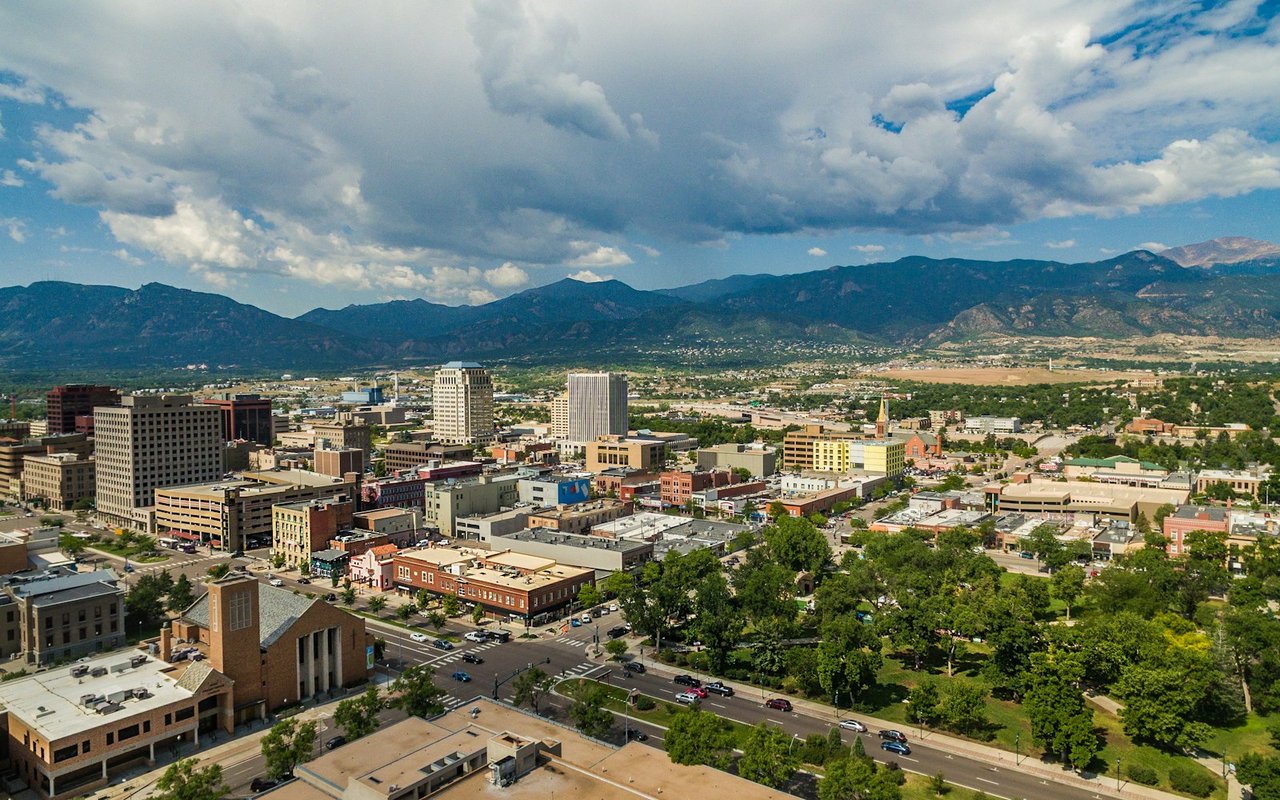
Locally, El Paso County still grew. The county added roughly 4,700 residents between 2024 and 2025 and remained one of the fastest-growing counties in the state. The city of Colorado Springs sits near 497,000 people, with the wider metro around 710,000.
Here's the part most headlines skip: the slowdown is mostly a story about a frantic market settling into a normal one. Fewer bidding wars. More homes to choose from. That's a healthier place to make a big decision, not a reason to wait.
You can check the official numbers yourself through the Colorado State Demography Office, which publishes the state's population estimates.
Why People Keep Moving to Colorado Springs
When I ask new clients what brought them here, the answers cluster around the same handful of things. None of them are flashy. All of them hold up over time.
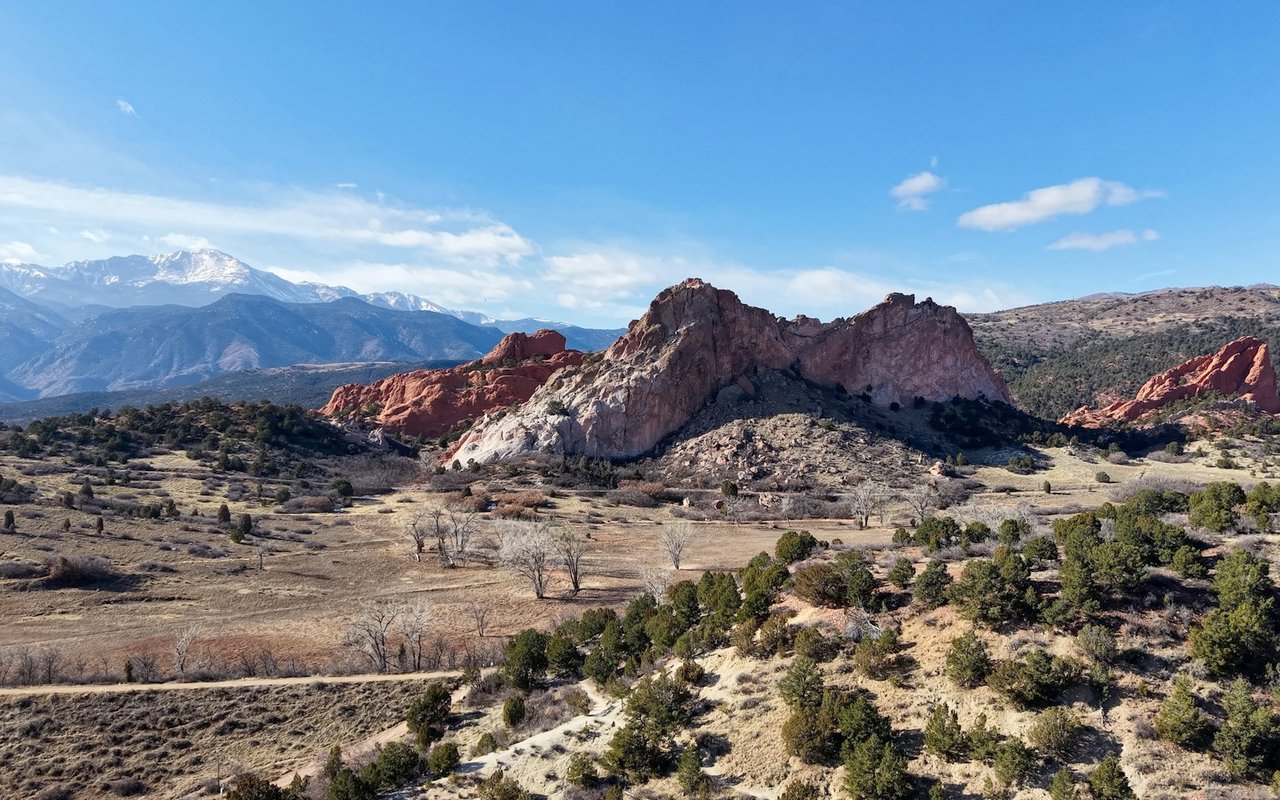
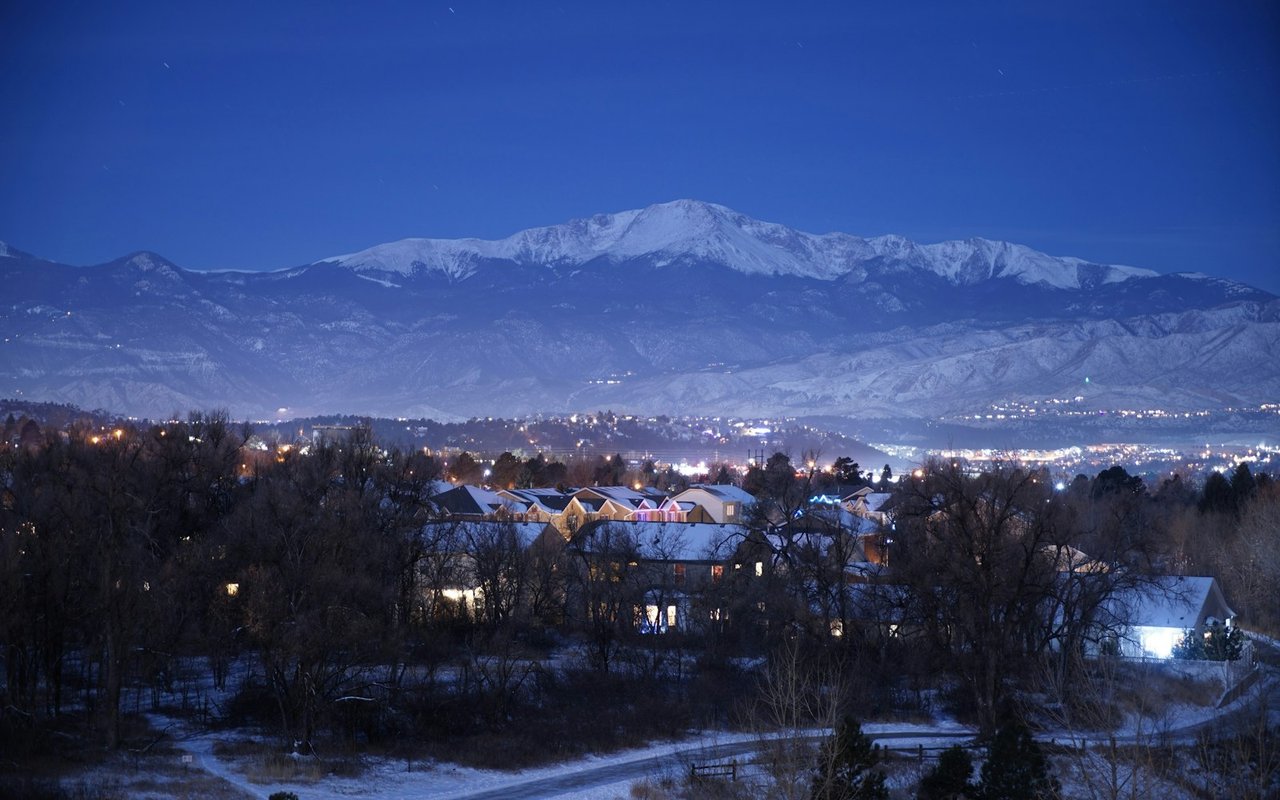
- The mountains are the backyard, not the vacation. Pikes Peak, Garden of the Gods, and miles of trails are part of a normal Tuesday here, not a once-a-year trip.
- The job market is broad. Aerospace and defense, cybersecurity, healthcare, and advanced manufacturing all have a real footprint. Names like Lockheed Martin, Northrop Grumman, and UCHealth anchor a lot of paychecks.
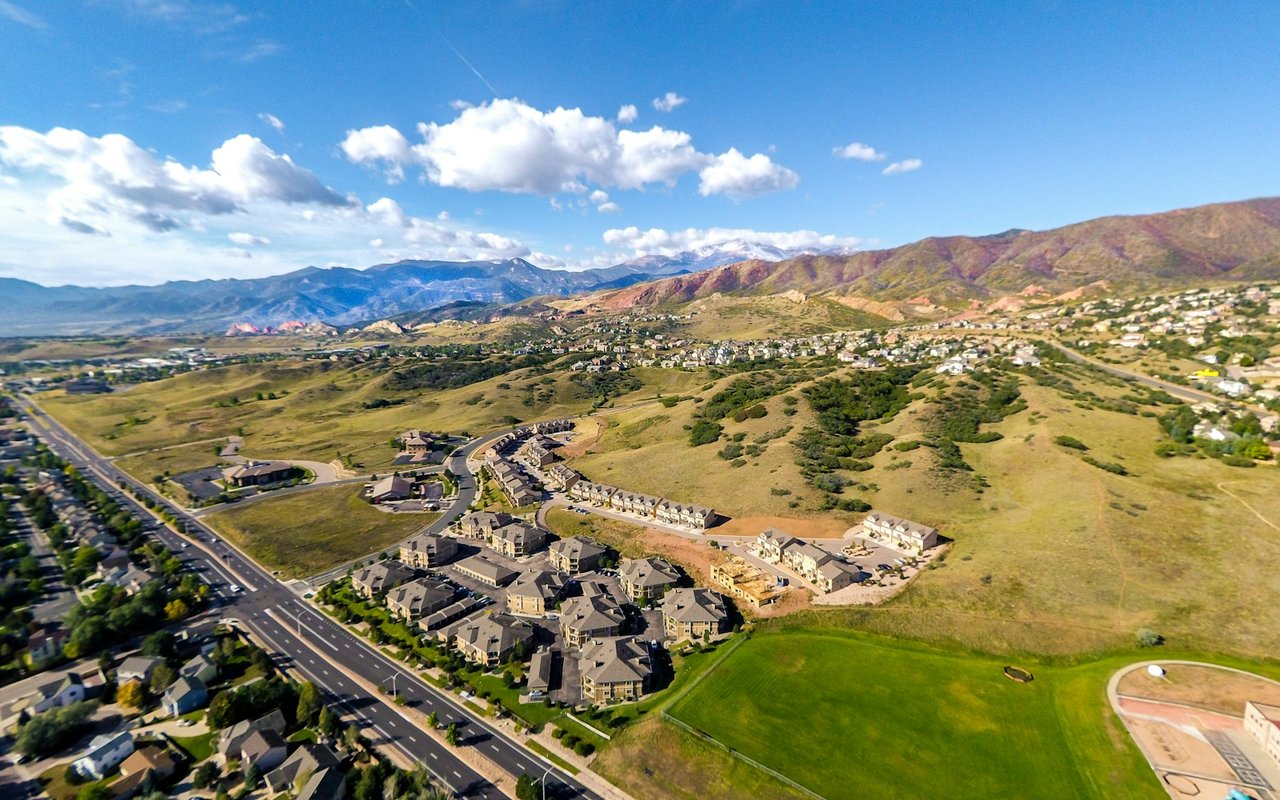
- It still pencils out. Compared to Denver and a lot of the mountain towns, Colorado Springs gives you more home and more space for the money.
- It's a real community. People wave. Neighbors show up. For military families bouncing between duty stations, that sense of belonging matters more than square footage.
U.S. News & World Report has named the metro one of its best places to live in the country for years running, pointing to the job market, the access to the outdoors, and overall quality of life. Once you spend a weekend here, the rankings make sense.
Want the full picture before you visit? I put together a Colorado Springs City Guide that walks through neighborhoods, the outdoors, and what daily life actually looks like here — all in one place.

The Military Connection Runs Deep
You can't talk about Colorado Springs without talking about the military. Five installations sit in or around the city: Fort Carson, Peterson Space Force Base, Schriever Space Force Base, Cheyenne Mountain Space Force Station, and the U.S. Air Force Academy.
That presence does two things. It keeps a steady stream of families moving in on PCS orders, and it shapes the whole culture of the city — veteran-owned businesses, military discounts, support networks that already know what a deployment or a move feels like.
It's also why WalletHub ranked Colorado Springs the #5 best city in America for veterans to live in late 2025, scoring it across employment, economy, quality of life, and health.
If you're PCSing here, your VA loan is one of the strongest tools you've got — no down payment for eligible buyers and no monthly mortgage insurance. The hard part isn't the benefit; it's timing your home search around orders, lodging, and school enrollment without rushing a bad decision.
That's the exact problem I help families solve. You can read the official benefit details straight from the VA's home loan page, and I break down what actually changed with the VA loan this year so you're not working off old information.
One option a lot of buyers overlook: assumable VA loans can be a real advantage in a higher-rate market. And if you're moving here with a family, our Memorial Day local guide for military families is a good window into the community you'd be joining.
What The 2026 Housing Market Actually Looks Like
This is where the honest part really matters, because the market today is different from the one your friends complained about in 2021.
A few things are true right now:
- Prices are steady, not spiking. The median sale price across the area has been holding in the mid-$400,000s, with most forecasts calling for modest growth of about 2–4% in 2026.
- There's real inventory again. Active listings have climbed to nearly 3,500 homes — close to double what we had before the pandemic. You have options.
- Homes take longer to sell. Average days on market crept up to the mid-50s. That means less pressure to decide in an afternoon.
- Buyers have leverage they haven't had in years. Sellers can't count on a quick over-asking offer anymore unless the home is priced right from day one.
If you're buying, this is one of the more reasonable environments we've seen in a while. If you're selling, it's not bad news — it just means pricing and presentation do the heavy lifting now. Either way, watching mortgage rates matters; you can track the national weekly average through Freddie Mac's Primary Mortgage Market Survey.
Thinking about whether buying even makes sense for you right now? Our breakdown on whether to rent or buy in Colorado Springs in 2026 walks through the math without the pressure.
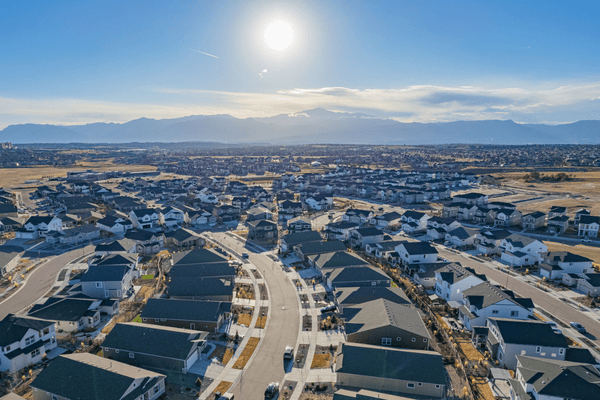
Why People Don't Leave
Plenty of cities can pull you in once. Colorado Springs tends to keep you. Here's what I hear from clients a few years after they close.
The lifestyle becomes the routine. The same trails you visited as a tourist turn into your Saturday morning. The 300-ish days of sunshine stop feeling like a stat and start feeling like a given.
Roots go down fast. Military families who expected one tour often request to come back, or they retire here. The veteran network is part of that — it's easy to find your people.
And the long game works. Homeowners here have built real equity, which gives them flexibility to move up, invest, or stay put without feeling stuck. When the foundation is steady, you don't go looking for an exit.
The Honest Tradeoffs
I'd be doing you a disservice if I only sold you the good parts. A few things to weigh:
- Housing still isn't cheap. "More affordable than Denver" is true, but the mid-$400,000s is real money, and rates still shape your monthly payment.
- Traffic has grown. I-25 and the northern corridors get busy. Your commute should factor into your neighborhood choice.
- Public transit is limited. This is a car city. Plan accordingly.
- Wildfire awareness is part of life. It's manageable, but worth understanding by area before you buy.
None of these are deal breakers for most people. They're just the kind of thing you'd want a straight answer on before you commit — which is the whole point of working with someone local.

Bottom Line
People keep moving to Colorado Springs in 2026 for reasons that don't fade: the bases and the veteran community, a broad job market, the mountains out the back door, and a cost of living that still gives you more than the Front Range cities to the north. Growth has slowed statewide, but the Springs is still adding residents — and the market has shifted into a calmer, more buyer-friendly stretch with real inventory and steadier prices.
The reason people stay is simpler. The life here is good, and it holds up.
If you're weighing a move — whether you're PCSing in, relocating for work, or just tired of paying someone else's mortgage — I'm happy to give you a straight answer on your situation. No pressure, no pitch.
Reach out anytime:
- Call or text: (719) 413-6610
- Email: [email protected]
And if you'd rather just stay informed for now, sign up for our weekly newsletter — local market updates, military relocation tips, and what's actually happening in Colorado Springs real estate, sent once a week.