Home Inspection and New Builds: What Colorado Buyers Need to Know Before Closing
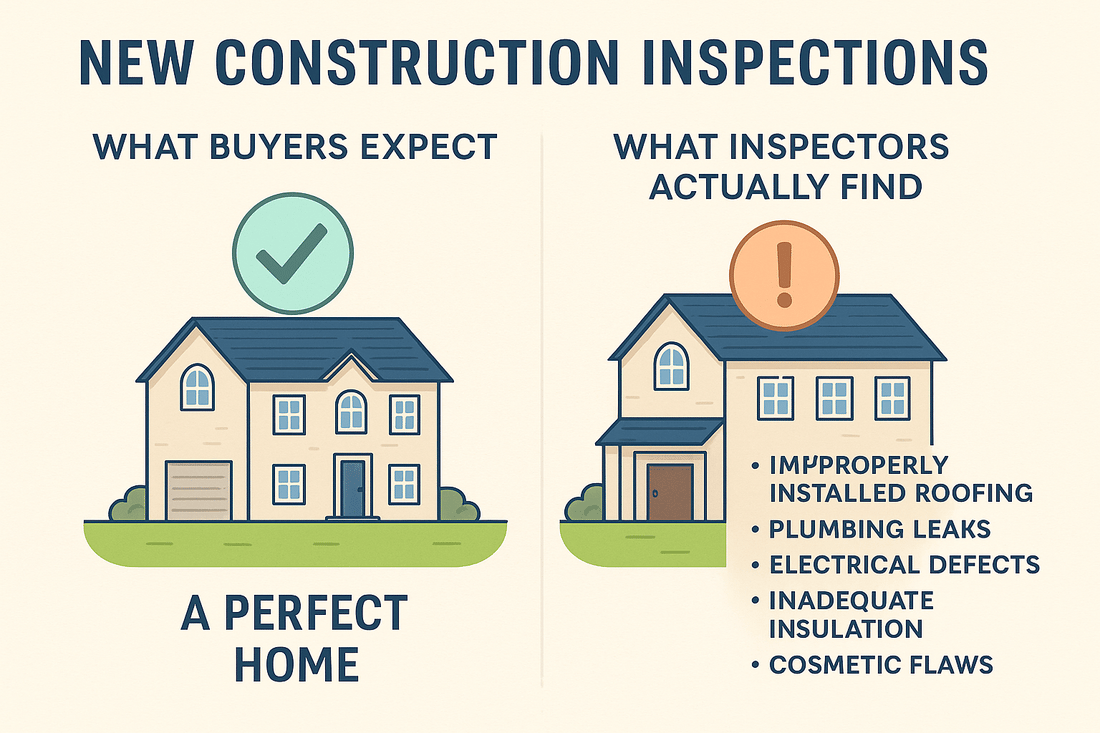
If you’re buying a brand-new home, it’s easy to assume everything is perfect. Fresh paint, untouched appliances, that “new house smell.” I get it. But here’s the honest truth—Home Inspection and New Builds still go hand in hand, especially here in Colorado.
I’ve walked countless new construction homes across Colorado Springs and surrounding areas, and I can tell you this: new doesn’t mean flawless. Builders do a lot right, but homes are built by people, and people miss things. A solid inspection isn’t about distrusting your builder—it’s about protecting yourself and understanding your home before you move in.
Let’s walk through what you actually need to know, friend to friend.
Why Home Inspection and New Builds Still Matter
A common misconception is that inspections are only for older homes. In reality, Home Inspection and New Builds are just as important—sometimes more so.
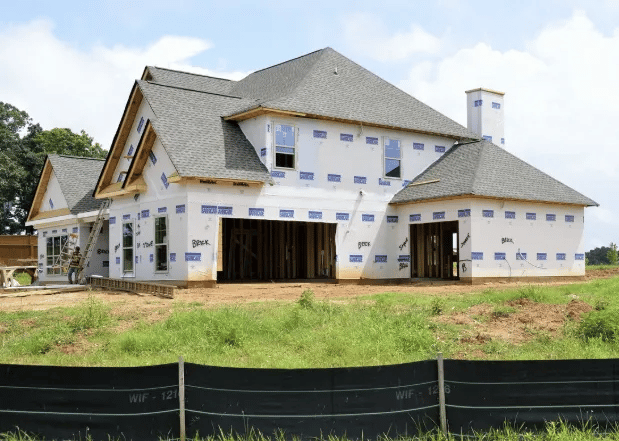
New builds involve multiple subcontractors: framers, electricians, plumbers, roofers, HVAC crews. Each does their part, often on tight timelines. Small issues can slip through, especially cosmetic finishes, grading, or mechanical details.
A third-party inspection gives you:
- An objective look at workmanship
- Early detection of safety or system issues
- Documentation before your builder warranty starts
Think of it as a final quality-control check—one that’s on your side.
Colorado-specific Concerns in New Construction Homes
Colorado isn’t like every other state. Our soil, weather, and elevation create unique challenges that absolutely impact new homes.
Foundation & Soil Settlement (Big One in Colorado)
Colorado Springs and surrounding areas are known for expansive soils. Clay-heavy soil expands and contracts with moisture changes, which can cause foundation movement—even in brand-new homes.
During a Home Inspection and New Builds review, inspectors look for:
- Hairline foundation cracks
- Uneven floors or door frames
- Proper grading and drainage away from the foundation
Catching these early helps you address concerns while the builder is still responsible.
Radon Testing: Non-negotiable in Colorado

Colorado consistently ranks among the highest radon states in the country. Even new builds with passive radon systems should be tested.
A proper Home Inspection and New Builds process includes:
- Short-term radon testing (minimum 48 hours)
- Verification that mitigation systems are installed correctly
- Understanding future mitigation options if levels are elevated
Radon is invisible and odorless—but long-term exposure is a serious health risk. Testing is simple and absolutely worth it.
External resource:
- EPA Radon Information.
Sewer Scope Inspections on New Builds (Yes, Even Brand New)
This one surprises people.
Just because sewer lines are new doesn’t mean they’re problem-free. Construction debris, crushed lines, or improper slopes can happen during installation.
A sewer scope inspection checks:
- Blockages or debris
- Cracked or misaligned pipes
- Proper slope toward the main line
For the cost, it’s one of the best protections you can add to your Home Inspection and New Builds plan.
External resource:
- InterNACHI Sewer Scope Overview.
Roof Inspections in High-altitude, High-wind Areas
Colorado weather is no joke—hail, snow load, wind, and intense sun all hit roofs hard.
Even on new builds, inspectors check:
- Proper shingle installation
- Flashing around vents and chimneys
- Attic ventilation
- Signs of rushed or uneven work
A roof issue caught early is far easier to resolve before closing than after the first big storm.
Mechanical Systems: HVAC, Plumbing, and Electrical
Brand-new systems don’t mean perfectly installed systems.
During a Home Inspection and New Builds, inspectors review:
- HVAC airflow and balance
- Proper condensate drainage
- Electrical panel labeling and grounding
- GFCI and AFCI protection
- Plumbing pressure and drainage
These aren’t cosmetic issues—they’re comfort, safety, and efficiency issues.
Pre-drywall Vs. Final Walkthrough: Do You Need Both?
Short answer? If possible—yes. It also depends on the builder
Pre-drywall Inspection (Great Time to Take Video so You Know Where All The Wiring and Plumbing Are Once Drywall Is Installed).
Happens before insulation and drywall go up. This is when inspectors can see:
- Framing
- Plumbing lines
- Electrical runs
- HVAC ducting
Final Walkthrough/blue Tape Walkthrough
Occurs when the home is complete and typically a week out from closing
Focuses on:
- Finished systems
- Roof, grading, drainage
- Safety items
- Overall workmanship
- Cosmetic deficiencies
Together, they give you the clearest picture of how your home was built.
Builder Warranties Vs. Home Inspections
Builder warranties are helpful—but they’re not a replacement for inspections.
Warranties often:
- Require proof and documentation
- Have timelines and exclusions
- May prioritize structural issues over “minor” defects
A Home Inspection and New Builds report gives you leverage and clarity before closing—when your builder is most responsive.
Internal Resources You May Find Helpful
If you’re exploring new construction in Colorado, these may help you dig deeper:
- New Construction Buyer Guide
- What to Expect During a Home Inspection
- Understanding Builder Warranties
How to Choose The Right Inspector for a New Build
Not all inspectors specialize in new construction. Ask:
- Do you regularly inspect new builds?
- Are you familiar with Colorado soil and radon issues?
- Do you offer sewer scope and radon testing?
- Do you offer termite inspections? (VA now requires them)
Experience matters—especially with Home Inspection and New Builds in Colorado.
Quick Summary: Home Inspection and New Builds in Colorado
Here’s the takeaway:
- New homes still need inspections
- Colorado soil and radon make testing critical
- Sewer scopes and roof checks are worth it
- Inspections protect you before closing
- Knowledge = confidence
Final tip—if you’ve made it this far, consider waiting until you’ve lived in the home for about 10–11 months, just before the typical one-year bumper-to-bumper builder warranty expires. By then, the home has had time to settle and go through all seasons, which often reveals issues that don’t show up right away. This allows you to schedule one thorough inspection, address warranty items with the builder, and avoid paying for multiple inspections.
Ready to Protect Your New Build Investment?
If you’re buying a new construction home in Colorado and want guidance on inspections, timelines, or next steps, I’m always happy to help.
- 📞 Call or text: (719) 413-6610
- 📧 Email: [email protected]
Sign up for our weekly newsletter for Colorado real estate tips, new build insights, and local updates: Sign up here.
No pressure—just solid information so you can move forward confidently.