
Is It a Good Time to Buy a House Based on Mortgage Rates?
Why today’s rate movement matters—but shouldn’t be the only thing driving your decision.

Mortgage rates are one of the first things buyers look at when deciding whether now is the right time to purchase a home. Lately, rates have been moving in response to economic data, bond market shifts, and lender timing—making headlines feel confusing or even contradictory.
This matters because focusing only on the daily rate can lead to missed opportunities. If you’re considering buying in Colorado or anywhere similar, understanding how rates move is just as important as knowing where they are.
What’s Happening with Mortgage Rates Right Now
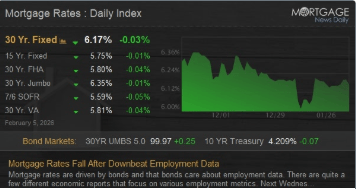
Weakness in the bond market generally leads to higher mortgage rates, and recent economic data—particularly a stronger-than-expected manufacturing report—pushed bonds lower. As a result, lenders were expected to raise rates more aggressively.
However, that didn’t fully happen.
Rates increased only marginally, even though bond movement suggested a larger jump. This kind of disconnect usually comes down to timing. Many lenders set rates earlier in the day, and when bond losses happen later, adjustments are often delayed until the following day.
In short: Rates didn’t improve—but they also didn’t spike the way the market suggested they might.
A Common Misconception About Mortgage Rates
One of the biggest mistakes buyers make is assuming that:
- A slightly higher rate automatically means it’s a bad time to buy
- Waiting for the “perfect” rate will create better outcomes
In reality, rates move in cycles, not straight lines. Short-term fluctuations—up or down—rarely determine long-term success in homeownership.
What matters more is:
- Purchase price
- Negotiated concessions
- Loan structure
- Your timeline and goals
Why This Matters Financially

When rates are volatile but not surging:
- Buyers often regain negotiating power
- Sellers may offer closing cost credits
- Temporary or permanent rate buydowns become part of the conversation
- Competition is typically lower than in ultra-low-rate environments
From a financial standpoint, buying when concessions are available can sometimes result in a lower effective monthly payment than buying at a lower rate in a highly competitive market.
Colorado Market Considerations
Here in Colorado, especially in markets like Colorado Springs, we’re seeing:
- Homes taking longer to sell than during peak years
- Sellers more open to negotiation
- Buyers able to structure deals creatively rather than rushing
Rates are only one variable in a much larger equation.

Long-term Considerations
- Rates can change; home prices and inventory conditions matter too
- Refinancing remains an option if rates improve later
- Buying when others hesitate can create stronger equity positions over time
Quick Takeaways / Checklist
- Mortgage rates are fluctuating, not exploding
- Short-term bond market moves don’t equal long-term decisions
- Negotiation power matters as much as interest rates
- Monthly payment > headline rate
- Strategy beats timing the market
Final Thoughts
Mortgage rates deserve attention—but they shouldn’t be the sole deciding factor. Today’s environment rewards informed buyers who understand how to structure a smart deal rather than waiting for perfect conditions. The best decisions are made with context, not fear or headlines.
Mortgage rates don’t tell the whole story — strategy does.
If you want straight answers, smart options, and a game plan built around your goals (not headlines), let’s talk. Whether you’re buying now, later, or just weighing your options, I’m here as a resource.