
Accepting an offer is one of the most exciting moments for a home buyer and seller, but it’s also the point where the real work begins. Many people think the deal is done once the offer is accepted, but in reality, that’s when the transaction moves into the most important phase.
Whether you're buying or selling in Colorado Springs or anywhere else, there are several steps that happen after an offer is accepted. Understanding the process helps reduce stress, avoid surprises, and make better decisions along the way.
In this guide, I’ll walk you through exactly what happens next, what both the home buyer and seller should expect, and how to make the process go as smoothly as possible.
What Happens after a Home Buyer and Seller Agree on an Offer?
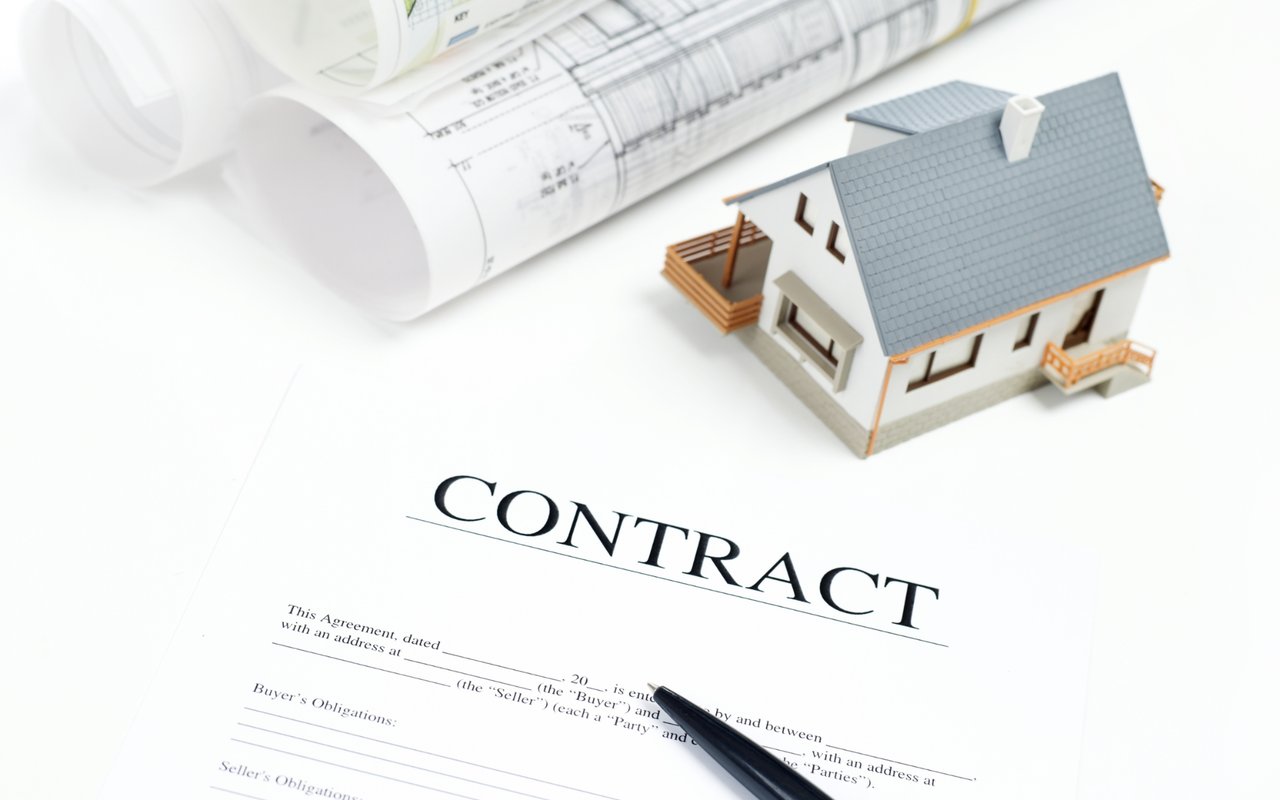
Once the home buyer and seller agree on price and terms, the property officially goes under contract. This means both parties have signed the purchase agreement, and the timeline in the contract begins.
At this stage, several key things happen quickly:
- Earnest money is deposited
- Inspection deadlines start
- The lender begins the loan process
- The title company opens the file
- The appraisal gets scheduled
This is not the time to relax completely. It’s the time to stay organized and follow the contract carefully.
If you’re preparing to sell soon, you may also want to read: How to List a Home for Sale in Colorado Springs
That preparation can make this stage much easier.
What Inspections and Contingencies Happen Next?
Most contracts include contingencies that protect the home buyer and seller while the transaction moves forward.
The most common ones are:
Home Inspection
The buyer usually has the right to inspect the home. This may include:
- General inspection
- Radon test
- Sewer scope
- Roof inspection
- HVAC inspection
The goal is not to make the house perfect. The goal is to make sure the buyer understands the condition of the property.
After the inspection, the buyer may:
- Accept the property as-is
- Request repairs
- Ask for a credit
- Terminate the contract (if allowed by the deadline)
This part of the process often involves negotiation, and having a clear contract makes a big difference.
You can read more about inspections here: External source: (U.S. Department of Housing and Urban Development)
Loan and Financing Contingency
If the buyer is getting a loan, the lender will begin full underwriting.
This includes:
- Income verification
- Credit review
- Appraisal
- Title review
- Final approval
The financing contingency protects the buyer if the loan cannot be approved.
This is also an important time to wait to make any significant purchases as it can get the loan denied or delayed depending on your Debt to Income (DTI).
For buyers using VA loans, FHA, or conventional financing, this step is critical.
External resource: (VA Home Loan Guide)
Appraisal
The appraisal confirms the value of the property.
If the appraisal comes in:
- At value → transaction continues
- Above value → buyer has equity
- Below value → renegotiation may happen
This is one of the most common stress points for both the home buyer and seller, but it’s also a normal part of the process.
One often-overlooked piece of the appraisal process is required repairs. Depending on the loan type your buyer is using, the appraiser may flag certain conditions that must be corrected before the lender will approve financing. This is especially common with government-backed loans like VA and FHA.
To get ahead of it, here are some of the most common items appraisers flag — worth addressing before you list:
- Peeling or chipping paint (particularly on exterior surfaces and older homes)
- Loose or missing handrails on stairs and elevated areas
- Safety hazards such as exposed wiring, broken windows, or inoperable smoke detectors
Taking care of these items upfront can help your transaction stay on track and avoid costly delays once you're under contract.
How Long Does It Take to Close after Accepting an Offer?
Most transactions take 30 to 45 days, but the timeline can vary.
Typical timeline after going under contract:
Week 1
- Earnest money deposited
- Inspection completed
- Loan started
Week 2–3
- Inspection negotiations resolved
- Appraisal ordered
- Title work started
Week 3–4
- Appraisal received
- Loan underwriting continues
- Insurance finalized
Final week
- Final loan approval
- Closing scheduled
- Final walkthrough
- Signing day
If you are buying in Colorado Springs, timing can vary depending on the market, lender speed, and inspection results.

What Can Go Wrong after Accepting an Offer?
Even after the home buyer and seller sign the contract, several things can affect the deal.
This does not mean something is wrong. It just means the process is working the way it should.
Common issues include:
- Inspection repair negotiations
- Low appraisal
- Loan approval delays
- Title issues
- Buyer financing changes
- Seller needs more time
Most transactions still close successfully, but communication is key.
According to the National Association of REALTORS®, contract delays are common and usually resolved before closing: Here.
The best way to avoid problems is to stay organized and respond quickly to requests.
What Should Buyers and Sellers Do While Waiting to Close?
This is where many people make mistakes.
Once the contract is signed, both the home buyer and seller should stay focused on finishing strong.
For Buyers
- Do not change jobs if possible
- Do not open new credit cards
- Do not make large purchases
- Respond quickly to lender requests
- Schedule utilities and insurance early
For Sellers
- Keep the home in the same condition
- Complete agreed repairs on time
- Stay flexible with scheduling
- Start planning your move
- Keep communication open
What Happens on Closing Day?
Closing day is when everything becomes official.
The home buyer and seller will:
- Sign final documents
- Transfer funds
- Record the deed
- Hand over keys
- Complete the sale
Depending on the state, buyers and sellers may sign at the same time or separately.
Once the deed is recorded, the home officially changes ownership.


Key Takeaways for Every Home Buyer and Seller
Accepting an offer is a big step, but it’s only part of the process.
Here’s what to remember:
- The contract timeline starts immediately after acceptance
- Inspections, appraisal, and loan approval come next
- Most closings take about 30–45 days
- Problems can happen, but most deals still close
- Communication and preparation make everything easier
Whether you're buying your first home or selling your fifth, understanding what happens after the offer helps you stay confident and make smart decisions.
Need Help With the Next Step?
If you have questions about the process, inspections, timelines, or what to expect next, feel free to reach out anytime.
You can also stay up to date with tips, market updates, and local real estate insights by signing up for the weekly newsletter: Sign up page.
My goal is always to make the process simple, clear, and as stress-free as possible for every home buyer and seller.