What to Do With Your Home During Winter Storms in Colorado
Winter Storms in Colorado are a different animal. One day it’s dumping snow, the next day the sun is melting everything, and by nightfall it’s refrozen into solid ice. That constant freeze-thaw cycle is tough on homes—especially along the Front Range, including Colorado Springs and surrounding areas.
If you own a home here, preparation isn’t optional. This guide walks you through exactly what to do before, during, and after Winter Storms so you can protect your home, avoid costly damage, and stay ahead of problems most homeowners don’t see coming.
Why Winter Storms Are Harder on Colorado Homes
Winter Storms impact Colorado homes differently than in many other states. Elevation, rapid temperature swings, intense sun exposure, and heavy, wet snow all combine to put extra stress on roofs, plumbing, foundations, and heating systems.
Common Colorado-specific issues include frozen pipes in garages and exterior walls, ice dams caused by daytime melting and overnight freezing, roof stress from heavy snow loads, and power outages during wind and snow events. Most damage doesn’t happen all at once—it builds quietly if small issues aren’t addressed early.
How to Prepare Your Home before Winter Storms Hit
The best time to deal with Winter Storms is before the forecast ever shows snow.
Start by sealing your home against cold air and wind. Weatherstrip doors and windows, especially garage entry points, and caulk any visible exterior cracks. Colorado wind can push cold air into places you wouldn’t expect, driving up heating costs and increasing freeze risk.
Pipes deserve extra attention in Colorado. Many homes have plumbing in garages, crawl spaces, or exterior walls. Insulate exposed pipes, disconnect and drain outdoor hoses, and shut off exterior water valves if your home has them. Knowing where your main water shut-off is located can save you thousands if a pipe fails.
Roof and Gutter Preparation for Colorado Winter Storms
Your roof takes the brunt of Winter Storms, especially in Colorado’s climate.
Before winter sets in, inspect your roof for loose or missing shingles and check flashing around vents and chimneys. Even minor issues can turn into major leaks once snow melts and refreezes.
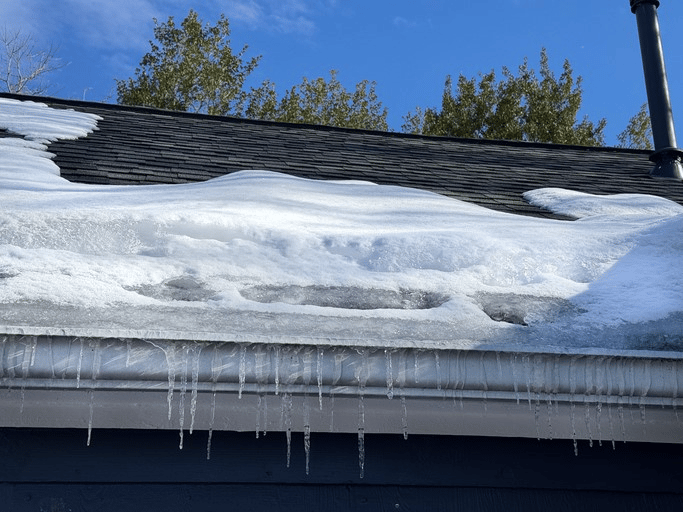
Clean your gutters thoroughly. Ice dams are common in Colorado because strong winter sun melts snow during the day, then freezing temperatures lock it in place overnight. When gutters are clogged, that water has nowhere to go and backs up under shingles, leading to interior damage.
Image suggestion: Snow-covered Colorado roof with clean gutters Alt text: Colorado home roof protected during Winter Storms with proper gutter drainage
Heating Systems Are Critical During Colorado Winter Storms
When heat goes out during a Colorado winter, pipes can freeze quickly—even on sunny days.
Have your furnace serviced before winter begins. Replace filters regularly and test thermostats to ensure everything is working properly. If your system struggles to keep up, Winter Storms will expose that weakness fast.
It’s also smart to plan for outages. Keep safe space heaters available, extra blankets on hand, and know how to shut off your water if heat fails for an extended period. Small preparations here prevent big emergencies later.
What to Do During Winter Storms in Colorado
Once a Winter Storm arrives, your focus should be on consistency and monitoring.
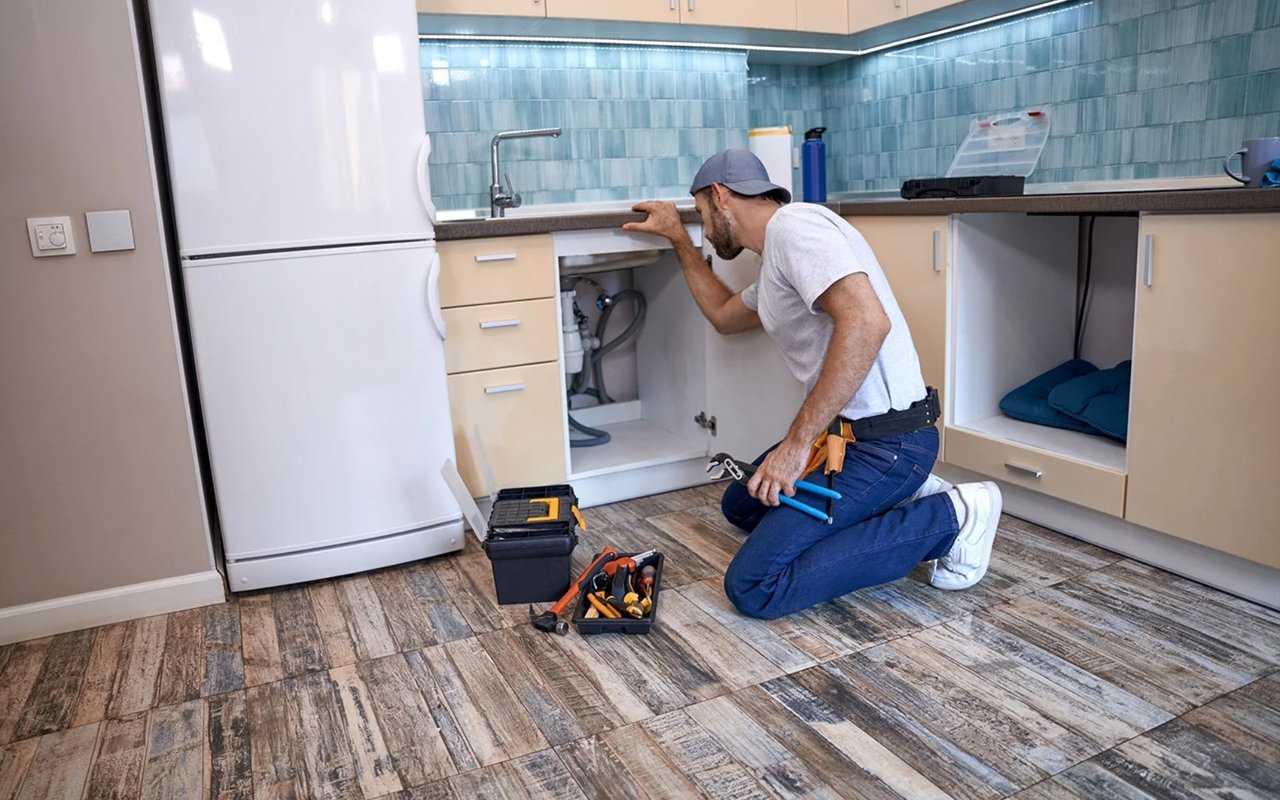
Keep indoor temperatures steady and avoid turning the heat way down overnight. Open cabinet doors under sinks to allow warm air to circulate around pipes, and during extreme cold, let faucets drip slightly to reduce freezing risk.
Manage roof snow safely. Colorado snow can be deceptively heavy, especially after multiple storms. Use a roof rake from the ground to clear buildup near eaves, but never climb onto an icy roof.
Image suggestion: Using a roof rake on a Colorado home Alt text: Safely removing snow from a roof during Colorado Winter Storms
Power Outages and Winter Storms Along The Front Range
Power outages are common during Colorado Winter Storms due to heavy snow and wind.
During an outage, keep refrigerator and freezer doors closed, rely on flashlights instead of candles, and never use grills or generators indoors. If power is out for several hours, freezing pipes become the biggest concern—especially in garages and basements.
Monitor interior temperatures closely and be prepared to shut off water if needed.
What to Check after Winter Storms Pass
Once roads clear and temperatures stabilize, do a full walk-through of your home.
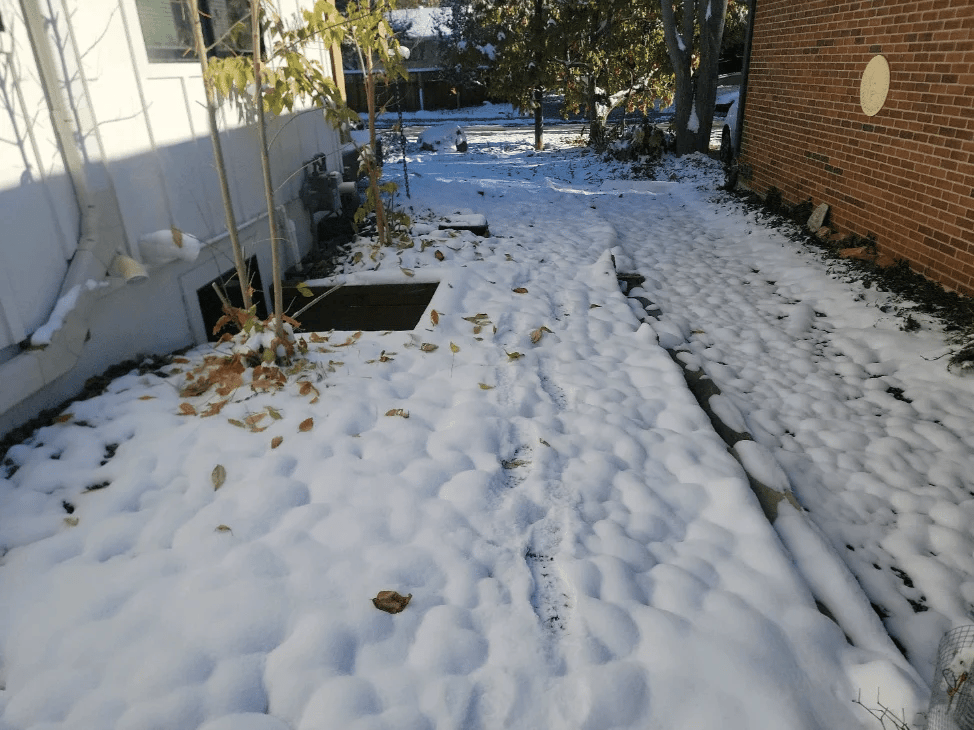
Look for water stains on ceilings or walls, bubbling drywall, or new cracks. Inspect roof edges and gutters for ice damage, and check exposed pipes for leaks or bulging that could signal a freeze issue.
Colorado’s freeze-thaw cycles often cause damage that doesn’t show up immediately, so continue monitoring for several days after a storm.
Image suggestion: Inspecting pipes and ceilings after a winter storm Alt text: Inspecting a Colorado home for damage after Winter Storms
If you find damage, take photos right away, contact your insurance provider, and prevent further exposure if it’s safe to do so.
Long-term Improvements That Help with Colorado Winter Storms
If you plan to stay in your home long-term, certain upgrades make Colorado winters much easier.
Improved attic insulation, energy-efficient windows, smart thermostats, and heated gutter systems all reduce the stress Winter Storms place on your home. These upgrades not only lower energy bills but also increase resale appeal in Colorado’s competitive market.
Winter Storms in Colorado: Quick Homeowner Checklist
- Seal doors, windows, and garage access points
- Insulate exposed pipes and disconnect hoses
- Clean gutters and inspect the roof
- Service heating systems before winter
- Prepare for power outages
- Monitor your home during storms
- Inspect carefully after storms pass
Final Thoughts on Winter Storms in Colorado
Winter Storms are part of life in Colorado, but major damage doesn’t have to be. Homes here face unique challenges, and preparation is the difference between minor inconvenience and expensive repairs.
Whether you’re protecting your current home, preparing to sell during winter, or buying in a snow-heavy area, understanding how Colorado Winter Storms affect homes puts you ahead of the curve.
Have questions about preparing your home, winter maintenance, or real estate decisions during Colorado Winter Storms?
- 📞 Contact us at: (719) 413-6610
- ✉️ Email: [email protected]